


Discover how dark chocolate may lower your risk of type 2 diabetes, backed by a 30-year study. Learn its benefits and how to choose the right product.

Could indulging in dark chocolate actually help protect against diabetes? A groundbreaking 30-year study involving nearly 200,000 participants suggests that regular consumption of dark chocolate may reduce the risk of type 2 diabetes by up to 21%. In this post, we dive into the science behind this surprising link, explore how to incorporate dark chocolate into a healthy lifestyle, and recommend premium products to help you reap its benefits.
The Science Behind Dark Chocolate and Diabetes
A study published in EatingWell and supported by Harvard researchers found that participants who ate at least five servings of dark chocolate weekly had a significantly lower risk of developing type 2 diabetes compared to non-consumers. Here’s why:
- Flavonoids Power: Dark chocolate is rich in flavonoids, antioxidants that improve insulin sensitivity and blood sugar regulation.
- Insulin Resistance: Flavonoids enhance the body’s response to insulin, a key factor in preventing diabetes.
- Cocoa Content Matters: Dark chocolate with 70% or higher cocoa maximizes benefits while minimizing added sugars.
Key Benefits of Dark Chocolate for Diabetes Prevention
- Reduces Diabetes Risk: Regular intake correlates with a 21% lower risk of type 2 diabetes.
- Supports Heart Health: Flavonoids also promote cardiovascular health, critical for those managing diabetes risk.
- Curbs Sugar Cravings: Satisfies sweet cravings without spiking blood sugar (when consumed in moderation).
How to Choose the Right Dark Chocolate
Not all dark chocolate is created equal. Follow these tips:
- Look for 70%+ Cocoa: Higher cocoa content = more flavonoids and less sugar.
- Avoid Added Sugars: Skip products with artificial sweeteners or excessive sugar.
- Check Ingredients: Opt for minimal additives—cocoa, cocoa butter, and a touch of natural sweetener are ideal.
Dark Chocolate vs. Milk Chocolate: Why Dark Wins
Unlike milk chocolate, dark chocolate retains its flavonoid content and contains far less sugar. Studies from Harvard T.H. Chan School of Public Health confirm that milk chocolate lacks the same protective effects against diabetes.
How to Incorporate Dark Chocolate Into Your Diet
- Daily Portion Control: Stick to 1–2 small squares (about 20–30g) daily.
- Pair with Nutrient-Dense Foods: Add to oatmeal, yogurt, or fruit for balanced snacks.
- Bake Smart: Use dark chocolate chips in recipes for a healthier twist.
Top Dark Chocolate Picks for Diabetes Prevention

- Lindt Excellence 85% Cocoa: Rich in flavonoids, low in sugar.

2. Green & Black’s Organic Dark Chocolate: Ethically sourced, 70% cocoa.

3. Hu Simple Dark Chocolate: Paleo-friendly, no refined sugars.
Important Considerations
- Moderation is Key: Overconsumption can lead to excess calories.
- Consult a Professional: Always discuss dietary changes with your healthcare provider, especially if pre-diabetic.
- Pair with Lifestyle Changes: Combine dark chocolate with exercise and a balanced diet for optimal results.


Conclusion: A Sweet Strategy for Diabetes Prevention
Dark chocolate isn’t just a treat—it’s a potential ally in reducing diabetes risk when consumed mindfully. By choosing high-cocoa, low-sugar options and pairing them with healthy habits, you can enjoy its benefits guilt-free.
Ready to Try? Explore our recommended dark chocolates below and start your journey toward better health today!


References:
- EatingWell: Dark Chocolate Diabetes Study
- Harvard Health: Dark Chocolate and Diabetes

Discover expert tips for healthy nails and beautiful feet! Learn daily routines, product recommendations, and lifestyle hacks to boost foot health and earn affiliate income.
Healthy nails and beautiful feet aren’t just about aesthetics—they’re vital for mobility, confidence, and overall wellness. Whether you’re battling dry skin, brittle nails, or simply want to pamper yourself, this guide delivers actionable steps to achieve (and maintain) gorgeous feet. Plus, we’ve included affiliate-friendly product picks to streamline your routine and enhance results!
Why Foot and Nail Health Matters
Your feet endure daily stress, from tight shoes to long walks. Neglecting them can lead to infections, ingrown toenails, or chronic issues like cracked heels. Healthy habits prevent problems, save money on treatments, and keep you comfortable year-round.

“Metanail Healthy Nails & Beautiful Feet.” The best product is called Metanail Serum Pro, which is designed to enhance the health and appearance of nails and feet. It features a comprehensive 20-in-1 formula that combines natural ingredients to provide long-lasting results. The serum supports nail and foot well-being by strengthening nails, moisturizing cuticles, and protecting against brittleness and damage. It is free from chemical coatings, non-GMO, vegan, and gluten-free.
The Ultimate Foot Care Routine
Follow these 9 steps for soft, strong feet and nails:

- Daily Cleanliness
- Wash feet with mild soap and warm water. Dry thoroughly, especially between toes, to prevent fungal growth (keyword: “prevent foot fungus”).
- Exfoliation for Smooth Skin
- Use a pumice stone or sugar scrub 2–3 times weekly to slough off dead skin. Pro Tip: Try the Earth Therapeutics Pumice Stone (affiliate link) for quick results.
- Deep Moisturization
- Apply a urea-based cream like Flexitol Heel Balm (affiliate link) before bed. Urea softens thick skin, while socks lock in moisture.
- Nail Trimming & Shaping
- Cut nails straight across to avoid ingrown toenails. File edges gently with a glass nail file (keyword: “how to trim toenails properly”).
- Breathable Footwear
- Opt for shoes with arch support and moisture-wicking liners. Avoid narrow-toed styles that crowd nails.
- Relaxing Foot Soaks
- Soak feet weekly in warm water mixed with Epsom salts (affiliate link) to reduce swelling and soften cuticles.
- Cuticle Care
- Push back cuticles after soaking—never cut them! Use CND SolarOil (affiliate link) to nourish and protect.
- Regular Foot Checks
- Inspect for redness, swelling, or discoloration. Early detection prevents serious issues.
- Diet for Strong Nails
- Eat biotin-rich foods (eggs, nuts) and stay hydrated. Supplements like Nature’s Bounty Biotin (affiliate link) boost nail strength.

Nail Care Tips for Long-Term Health
- Hydrate Cuticles Daily: Use jojoba oil to prevent peeling.
- Avoid Harsh Polish Removers: Opt for acetone-free formulas.
- Protect Nails from Water: Wear gloves while cleaning to prevent brittleness.
Top Product Picks for Healthy Feet
Incorporate these affiliate-linked essentials into your routine:
- Exfoliation: Mr. Pumice Extra Coarse Pumice Stone – Durable and eco-friendly.
- Moisturizing: O’Keeffe’s Healthy Feet Cream – Repairs cracked heels in days.
- Nail Care: Sephora Collection Nail Kit – Precision tools for salon-worthy results.
Target Audience: Who Needs This Routine?
- Athletes: Prevent blisters and fungal infections.
- Diabetics: Critical for circulation and preventing ulcers.
- Fashion Lovers: Maintain pedicure-ready feet year-round.
Comparison: DIY vs. Professional Treatments
| Aspect | At-Home Care | Professional Pedicure |
|---|---|---|
| Cost | $ (Budget-friendly) | $$$ (Spa pricing) |
| Convenience | Daily maintenance | Monthly appointments |
| Infection Risk | Low (use personal tools) | Moderate (sanitation varies) |
Verdict: Combine weekly DIY care with occasional salon visits for optimal results.
Common Foot Problems & Fixes
- Ingrown Toenails: Soak in warm water, then gently lift the edge with floss.
- Fungal Infections: Apply Lotrimin Antifungal Cream (affiliate link) daily.
- Cracked Heels: Exfoliate + moisturize with Kerasal (affiliate link).
Final Thoughts
Consistency is key! By investing 10 minutes daily in your foot care routine, you’ll avoid costly treatments and enjoy sandal-ready feet. Share this guide with friends, and explore our affiliate product links to kickstart your journey!
#NailCareTips #FootCareRoutine #HealthyNailsGuide #DIYBeauty

-Your Guide to Understanding Appendix Pain, Risks, and Recovery
-Appendicitis Symptoms, Causes & Treatment: A Complete Guide
-Discover the signs of appendicitis, why the appendix bursts, and modern treatment options. Learn how to recognize appendix pain and when to seek help.
The Mysterious Appendix
In 1961, Soviet surgeon Leonid Rogozov made history by performing an emergency appendectomy—on himself—during an Antarctic expedition. His story underscores a critical truth: appendicitis is a medical emergency that demands immediate attention. Affecting 1 in 12 people, this condition can escalate quickly. But what exactly causes appendicitis, and how can you spot it early? Let’s explore.
What Does Appendix Pain Feel Like?
Appendix pain is distinct from typical stomachaches. It often:
- Starts as a dull ache near the belly button.
- Migrates to the lower right abdomen within hours.
- Intensifies with movement, coughing, or deep breaths.
- Accompanies nausea, vomiting, or a low-grade fever.
Key Takeaway: If pain localizes to the lower right abdomen and worsens rapidly, seek emergency care.
Why Does the Appendix Burst? Causes of Appendicitis
The appendix is a small, finger-shaped pouch attached to the large intestine. While its exact purpose is debated, it may store beneficial gut bacteria. However, its narrow structure makes it prone to blockages from:
- Fecaliths: Hardened stool fragments.
- Enlarged Lymph Nodes: Often due to infections.
- Parasites or Tumors (rare).
When blocked, bacteria multiply, causing inflammation, swelling, and pressure. Without treatment, the appendix can rupture within 48–72 hours, spilling infection into the abdomen (peritonitis).

Symptoms of Appendicitis: When to Act Fast
Recognizing early signs can prevent complications:
- Classic Symptoms:
- Sharp lower right abdominal pain.
- Loss of appetite, nausea/vomiting.
- Fever (99–102°F).
- Atypical Signs:
- Bloating, constipation/diarrhea.
- Pain while urinating (if appendix irritates the bladder).
Pro Tip: Use the “Rebound Tenderness Test” at home: Press gently on the lower right abdomen and release quickly. If pain spikes upon release, it may indicate appendicitis.
Diagnosis: How Doctors Confirm Appendicitis
Doctors use a combination of:
- Physical Exams: Checking for localized tenderness.
- Blood Tests: Elevated white blood cells signal infection.
- Imaging: Ultrasound or CT scans to visualize inflammation.
- Urine Tests: Rule out kidney stones or UTIs.
Note: Misdiagnosis is common—appendicitis symptoms can mimic ovarian cysts, UTIs, or IBS.
Treatment Options: Surgery vs. Antibiotics
1. Appendectomy (Surgery)
- Laparoscopic Surgery: Minimally invasive with 3–4 small incisions (1–2 day recovery).
- Open Surgery: Required for ruptured appendices (longer recovery).
- Success Rate: Over 95% effective.
2. Antibiotics
- Used for uncomplicated cases or high-surgery-risk patients.
- Studies show 70% of patients avoid surgery short-term, but 40% relapse within 5 years.
Life Without an Appendix: Long-Term Effects
Removing the appendix has no major long-term consequences. Research suggests it may slightly increase risks for:
- Clostridioides difficile infections.
- Inflammatory bowel disease (IBD).
However, most people live normally post-surgery.

The Baker’s Appendix: The Essential Kitchen Companion, with Deliciously Dependable, Infinitely Adaptable Recipes: A Baking Book
Prevention Tips & When to See a Doctor
While appendicitis isn’t preventable, these steps may reduce risks:
- High-fiber diets to prevent fecaliths.
- Prompt treatment of gastrointestinal infections.
Act Immediately If:
- Pain worsens over 6–12 hours.
- You experience fever + vomiting + right-sided pain.
FAQs: Your Top Appendix Questions Answered
Q1. What’s the main reason for appendix issues?
Blockages from stool, infections, or swollen lymph nodes.
Q2. Can I check for appendicitis at home?
While rebound tenderness tests may hint at it, always consult a doctor for imaging.
Q3. How long is recovery after appendix removal?
Most resume normal activities in 1–2 weeks.
Conclusion: Knowledge Saves Lives
Appendicitis is a ticking time bomb, but timely action prevents disaster. Whether through surgery or antibiotics, modern medicine offers effective solutions. Share this guide to help others recognize the signs—it might just save a life.

Struggling with low energy or libido? Discover the ultimate guide to men’s vitality health—symptoms, causes, and actionable treatments to reclaim your vigor.
Men’s vitality is the cornerstone of physical energy, mental clarity, and sexual health. Yet, factors like aging, stress, and lifestyle choices can disrupt hormonal balance, leading to fatigue, low libido, and more. This comprehensive guide will explore the Men’s Vitality Health Symptoms, Causes, and Treatment Guide—a resource designed to help you understand low testosterone, optimize wellness, and explore effective solutions.

✅ My #1 recommended product for Men’s Vitality Supplement: 📌
👉🔗Viril Wood Men’s Vitality Supplement Boost Testosterone, Energy & Wellness. This is marketed as a natural solution to enhance male vitality, stamina, and overall wellness. It claims to support healthy blood flow, hormonal balance, and energy levels, which are essential for physical performance and general well-being. The supplement includes a blend of natural ingredients like herbs and plant extracts, such as Horny Goat Weed and Maca Root, which are often associated with improving circulation and boosting libido.
The product is manufactured in an FDA-registered and GMP-certified facility, ensuring quality standards. It is also non-GMO and gluten-free. The company offers a 180-day money-back guarantee, allowing users to try the product risk-free.
Key Symptoms of Low Testosterone
Recognizing the signs of declining vitality is the first step toward recovery. Common symptoms include:
- Decreased Libido: Loss of interest in sex or difficulty maintaining arousal.
- Erectile Dysfunction: Challenges achieving or sustaining erections.
- Fatigue & Mood Swings: Persistent tiredness, irritability, or depression.
- Physical Changes: Increased body fat, muscle loss, or reduced bone density.
Early intervention can reverse these effects. The Men’s Vitality Health Guide details how to spot these red flags.

👉🔗 DOCTORS’ PREFERRED Daily5 with Must-Have Clinically Validated Ingredients That Cover the Vital Areas for Good Health and living younger—heart, Joints, …
Root Causes of Men’s Vitality Issues
Understanding the triggers helps tailor solutions:
- Age: Testosterone levels drop ~1% annually after 30.
- Lifestyle Factors: Obesity, smoking, and alcohol worsen hormonal imbalance.
- Medical Conditions: Diabetes, kidney disease, or genetic disorders disrupt hormone production.
- Stress: Chronic stress elevates cortisol, suppressing testosterone.
The guide dives into mitigating these causes through science-backed strategies.

Discover🔗NITRIC BOOST ULTRA: The All-Natural Solution for Men’s Enhancement.
Effective Treatment Options
1. Testosterone Replacement Therapy (TRT)
- Pros: Rapidly restores energy, muscle mass, and libido.
- Cons: Requires medical supervision; potential side effects like acne or prostate issues.
2. Lifestyle Modifications
- Diet & Exercise: Prioritize zinc-rich foods (oysters, spinach) and strength training.
- Stress Management: Yoga, meditation, or adaptogens like Ashwagandha.
3. Supplements for Vitality
Top-rated options in the Men’s Vitality Health Guide include:
- Testosterone Boosters: Tribulus Terrestris, D-Aspartic Acid.
- Cardiovascular Support: L-Arginine for blood flow and heart health.
- Energy Enhancers: Panax Ginseng and Vitamin B12.
Supplements offer a non-invasive option but work best alongside healthy habits.
Why Choose the Men’s Vitality Health Guide?
This guide stands out by:
- Holistic Approach: Combines TRT insights, natural remedies, and lifestyle tweaks.
- Expert-Backed: Cites Mayo Clinic, Healthline, and peer-reviewed studies.
- Actionable Plans: Customizable diet, exercise, and supplement routines.
Compared to generic advice, this guide offers tailored strategies for men over 30.
Risks and Considerations
- TRT Risks: Potential prostate issues or sleep apnea flare-ups. Always consult a doctor.
- Supplement Safety: Opt for third-party tested brands to avoid contaminants.
Call to Action: Reclaim Your Vitality Today!
Don’t let low testosterone dictate your life. The Men’s Vitality Health Guide equips you with:
- Step-by-Step Treatment Plans
- Trusted Product Recommendations (Including affiliate links to top supplements and TRT clinics)
- Long-Term Wellness Strategies
👉 Explore Proven Treatments Here (Affiliate link)
FAQs
Q: Can diet alone boost testosterone?
A: Yes! Zinc, vitamin D, and healthy fats support hormone production—details in the guide.
Q: Are vitality supplements safe?
A: Most are safe when used as directed, but consult a doctor if on medication.
Top 10 Testosterone-Boosting Foods
- Oysters: These oceanic delicacies are not just a treat for the taste buds, but also a powerhouse for your hormonal health. Renowned for their high zinc content, oysters are crucial in testosterone production. Their ability to combat zinc deficiency, a known culprit for lower testosterone levels, makes them a strong ally for your hormonal balance.
- Eggs: A fantastic source of protein and cholesterol, which is vital for testosterone synthesis. The yolk contains valuable nutrients, including vitamin D, which has been shown to support healthy testosterone levels.
- Leafy Greens: Vegetables like spinach, kale, and Swiss chard are rich in magnesium, a mineral associated with increased testosterone levels. These greens are also packed with vitamins and antioxidants, promoting overall health.
- Fatty Fish: Salmon, mackerel, and sardines are excellent sources of omega-3 fatty acids, which are linked to improved hormone production and better heart health. The healthy fats in these fish can also enhance testosterone levels.
- Beef: Lean cuts of beef are indeed a testosterone-boosting powerhouse, rich in zinc and saturated fat. However, moderation is key. Consuming meat in excess can have adverse health effects. Opting for grass-fed options can further enhance the health benefits of beef.
- Cruciferous Vegetables: Broccoli, cauliflower, and Brussels sprouts contain indoles, which may help lower estrogen levels in men and potentially increase testosterone levels. They are also high in fiber and vitamins.
- Nuts and Seeds: Almonds and walnuts are excellent sources of healthy fats and nutrients that support testosterone levels. Almonds are particularly high in vitamin E, essential for hormonal health.
- Pomegranates: This antioxidant-rich fruit has been linked to improved testosterone levels and overall male reproductive health. Studies show that regular consumption may help enhance testosterone production and libido.
- Coconut: Coconut oil and water are healthy fats that can serve to boost testosterone levels. The fatty acids in coconut may also provide energy and help regulate cholesterol levels, improving overall hormonal balance.
- Garlic: Known for its many health benefits, garlic contains allicin, which can help lower cortisol levels. Since high cortisol can negatively impact testosterone production, incorporating garlic into your diet may support hormonal balance.
By including these foods in your diet, you’re taking a proactive step towards maintaining healthy testosterone levels, supporting muscle growth, and improving overall vitality. Remember, a balanced diet is key, and it’s always a good idea to consult with a healthcare professional before significantly changing your nutritional habits.
Final Thoughts
Men’s vitality isn’t just about testosterone—it’s about holistic health. Whether you opt for TRT, supplements, or lifestyle changes, the Men’s Vitality Health Guide is your roadmap to renewed energy and confidence. Take charge today!
- #LowTestosteroneSymptoms
- #TestosteroneReplacementTherapy
- #MensHealthOver40
- #NaturalTestosteroneBoosters
- #ErectileDysfunctionSolutions
- #MaleHormoneImbalance
- #BoostMensEnergyNaturally
- #MensVitalitySupplements
- #TRTBenefitsAndRisks
- #MaleLibidoFix

Discover the types, symptoms, and best treatments for arthritis. Learn how to manage joint inflammation and explore proven solutions to improve mobility.

Powerful All-New Pain and Aches Relief Formula
Check the links 👉 CoolEase is an all-natural pain relief product that alleviates aches and discomfort. It combines a proprietary blend of five key ingredients: Arnica Montana Flower Extract, Vitamin E, Sunflower Oil, Mint, and Aloe Vera. These components reduce pain, improve blood circulation, and promote overall wellness. The formula is non-GMO, GMP-certified, and manufactured in an FDA-registered facility.
👉CoolEase is marketed as a fast-acting solution penetrating deeply into affected areas, providing soothing relief, and supporting a healthy inflammatory response. It is easy to apply, non-sticky, and odor-free. The product is available exclusively online and comes with a 60-day money-back guarantee.
What is Arthritis?
Arthritis, often called joint inflammation, is a condition characterized by swelling, stiffness, and pain in one or more joints. With over 100 types—including osteoarthritis (OA) and rheumatoid arthritis (RA)—it affects millions worldwide. Cartilage breakdown, autoimmune responses, infections, or injuries can trigger arthritis, leading to chronic discomfort if untreated.

Primary Keywords: arthritis, joint inflammation, osteoarthritis, rheumatoid arthritis
Types of Arthritis
- Osteoarthritis (OA): The most common type, caused by “wear and tear” of cartilage.
- Rheumatoid Arthritis (RA): An autoimmune disorder where the body attacks joint tissues.
- Gout: Caused by uric acid crystals, often affecting the big toe.
- Psoriatic Arthritis: Linked to psoriasis, causing joint and skin inflammation.
- Juvenile Arthritis: Affects children under 16.
Secondary Keywords: types of arthritis, gout symptoms, psoriatic arthritis

Common Causes of Arthritis
- Aging and cartilage degeneration
- Autoimmune disorders (e.g., RA, lupus)
- Infections (bacterial/viral)
- Genetics or family history
- Obesity or joint injuries
Arthritis Symptoms to Watch For
Early detection improves outcomes. Look for:
- Joint pain and stiffness (especially mornings)
- Swelling, redness, or warmth around joints
- Reduced mobility or difficulty gripping objects
- Fatigue and unintended weight loss

Pro Tip: If symptoms persist beyond 3 days or worsen, consult a doctor immediately.
Diagnosis and Testing
Doctors use physical exams, blood tests (e.g., rheumatoid factor), and imaging (X-rays/MRIs) to diagnose arthritis. Joint fluid analysis may identify infections or gout.
Arthritis Prevention Tips
- Maintain a healthy weight to reduce joint stress.
- Exercise regularly (low-impact activities like swimming).
- Eat anti-inflammatory foods (omega-3s, berries, leafy greens).
- Avoid repetitive motions that strain joints.
Effective Arthritis Treatments
1. Lifestyle Changes
- Exercise: Strengthen muscles with yoga, walking, or resistance training.
- Diet: Incorporate turmeric, ginger, and omega-3-rich foods like salmon.
- Hot/Cold Therapy: Ease stiffness with heating pads or ice packs.
2. Medications
- OTC Options: 👉Acetaminophen (Tylenol) or NSAIDs (ibuprofen) for pain relief.
- Prescription Drugs: Biologics (Humira, Enbrel) for autoimmune arthritis or DMARDs (methotrexate).
3. Surgical Solutions
- Joint Replacement: For severe cases (e.g., knee or hip replacements).
- Topical Pain Relievers: Try👉 Capsaicin Cream for targeted joint relief ( link).
- Joint Supplements: 👉Glucosamine and chondroitin supplements support cartilage health (link).
When to Seek Medical Help
Contact a healthcare provider if you experience:
- Severe, unexplained joint pain
- Fever or sudden weight loss
- Inability to perform daily tasks
Conclusion: Take Control of Joint Health
While arthritis is often chronic, early intervention and the right treatments can dramatically improve quality of life. From lifestyle adjustments to advanced therapies, managing symptoms is possible.
Ready to ease arthritis pain? Explore our top-rated joint supplements, ergonomic tools, and pain relief creams here. Invest in solutions that help you move freely again!
- arthritis treatment
- joint pain relief
- best supplements for arthritis
- how to reduce joint inflammation
- manage osteoarthritis

Post-traumatic stress disorder (PTSD) is a serious mental health condition triggered by experiencing or witnessing a terrifying event. From veterans and first responders to survivors of abuse, PTSD affects millions globally. Fortunately, it is treatable—with the right support, individuals can reclaim their lives.
What Is PTSD?
PTSD is an anxiety disorder that arises after a person has been exposed to trauma. This could include events like physical assault, war, accidents, or the loss of a loved one. The disorder can manifest days, months, or even years after the event, often disrupting daily life.
Key PTSD Symptoms:
If you’re looking for online therapy, trauma recovery books, or supplements that support mental wellness, check out our picks.

- Intrusive Memories: Flashbacks, nightmares, or distressing thoughts
- Avoidance: Steering clear of reminders, people, or situations associated with the trauma
- Mood Changes: Persistent feelings of guilt, hopelessness, or emotional numbness
- Hyperarousal: Irritability, insomnia, or being easily startled
What Causes PTSD?
PTSD doesn’t have a single cause. Instead, it stems from a combination of genetic, psychological, and environmental factors. Common causes and risk factors include:
- Traumatic experiences such as abuse, combat, accidents, or disasters
- Family history of mental health conditions
- Chronic stress or previous mental health issues
- Substance abuse can increase vulnerability

Not everyone exposed to trauma develops PTSD—but when symptoms persist and interfere with life, professional help is essential.
How PTSD Is Diagnosed
Diagnosis typically includes:
- Psychological assessment: Conversations with a mental health professional
- Physical examination: To rule out underlying medical conditions
- Imaging or lab tests: Occasionally used to assess brain function or check for substance abuse
PTSD Treatments That Work
Recovery is possible with a personalized treatment plan. Here are the most effective approaches:
1. Psychotherapy (Talk Therapy)
Cognitive therapies help patients reframe negative thoughts. Popular methods include:
- Cognitive Processing Therapy (CPT)
- Prolonged Exposure Therapy
- Eye Movement Desensitization and Reprocessing (EMDR)
Therapies often focus on gradually confronting traumatic memories in a safe, supportive setting.

2. Medications
Certain medications can ease PTSD symptoms, especially when combined with therapy:
- SSRIs (Selective Serotonin Reuptake Inhibitors) like Sertraline and Paroxetine
- Anti-anxiety drugs (used with caution)
- Sleep aids for those struggling with insomnia
💡 Affiliate Tip: Consider linking to trusted online therapy platforms, books on trauma healing, or wellness supplements that support mental clarity and sleep quality.
3. Lifestyle Support
Integrating healthy habits can significantly improve outcomes:
- Regular physical activity
- Mindfulness meditation
- Joining PTSD support groups
- Avoiding alcohol and drugs
Nutrition tip: A brain-friendly diet rich in omega-3s, leafy greens, and antioxidants can help stabilize mood.

PTSD vs. Complex PTSD (C-PTSD)
C-PTSD arises from prolonged or repeated trauma—often in childhood. Symptoms overlap with PTSD but include additional signs like deep emotional dysregulation and difficulty forming relationships.
Who Should Seek Help?
PTSD can affect anyone, but it’s most common in:
- Military veterans
- Emergency responders
- Victims of assault or abuse
- Survivors of serious accidents
- Children exposed to chronic trauma
Early intervention is key. The sooner treatment starts, the better the chances for recovery.
Questions to Ask Your Doctor
- What treatment approach do you recommend?
- Should I combine therapy with medication?
- How long before I notice improvement?
- Will PTSD affect my job or relationships long term?
Preventing PTSD & Building Resilience

- Seek support early after a traumatic event
- Stay connected with loved ones
- Prioritize rest and recovery
- Practice stress-reduction techniques like yoga or breathing exercises
Final Thoughts
PTSD is more common than people think—and more treatable than many realize. By understanding the symptoms and available treatments, anyone affected can take the first step toward healing.

(The Hidden Triggers & Fixes Most People Ignore)
Allergy season feels like it never ends. Your nose runs like a faucet, your eyes sting, your skin itches—and nothing seems to work. You’ve tried every pill, spray, and lotion in the pharmacy, but your allergies keep coming back.
What if the real problem isn’t what you think?
The truth is, most allergy sufferers are stuck treating the symptoms, not the cause—and that’s why their allergies never truly go away.
In this post, we’ll uncover the hidden triggers behind chronic allergies, why your immune system keeps overreacting, and science-backed strategies that actually work.
Why You’re Still Suffering: The Hidden Truth About Allergies
Allergies aren’t just annoying—they’re your immune system reacting as if it’s under attack. But instead of fighting off a virus or bacteria, it’s misfiring on harmless things like pollen, dust, or peanuts.
So why is your immune system doing this?
Here’s the surprising part:
Modern science suggests your environment may be too clean.
This theory, called the Hygiene Hypothesis, reveals something shocking:
In the past, our bodies constantly fought off parasites—like intestinal worms. To survive, we evolved powerful immune defenses, including cells that released histamine to flush the invaders out.
Today, with clean water, sanitized homes, and modern medicine, those parasites are gone—but our immune system hasn’t gotten the memo. Now, it turns its firepower on the wrong targets: your food, your pets, your pillow.

LEVOIT Air Purifier for Home Large Room Bedroom Up to 1110 Ft² with Air Quality Monitor, Smart WiFi, Washable Pre-Filter, HEPA Sleep Mode for Pets
Top 5 Hidden Allergy Triggers in Your Everyday Life
Most allergy sufferers don’t realize they’re constantly exposed to these common triggers:
- Your Mattress & Bedding
Dust mites love warm, humid spaces. Your bed is the perfect breeding ground.
Fix: Use allergy-proof mattress and pillow covers like this bestselling option and wash bedding weekly in hot water. - Indoor Air Quality
Pollen, pet dander, and mold spores can all get trapped in your home.
Fix: Invest in a HEPA air purifier. Look for one that targets allergens and covers your full room size. Here’s one we love. - Household Cleaners & Scents
Some “fresh” scents are packed with chemicals that can trigger allergic reactions.
Fix: Switch to fragrance-free, non-toxic cleaning products like this hypoallergenic formula. - Gut Health Imbalance
An unhealthy gut microbiome can worsen immune responses.
Fix: Consider taking a high-quality probiotic or eating more fermented foods. This daily probiotic supports both gut health and immune balance. - Unidentified Food Sensitivities
You may be reacting to foods like dairy, eggs, or gluten without realizing it.
Fix: Try an elimination diet or use at-home food sensitivity testing kits like this one for faster answers.
Why OTC Meds Aren’t Enough Anymore
Most people reach for antihistamines, decongestants, or steroid sprays. While these help short term, they do not fix the overreactive immune response.
You’re stuck in a cycle—symptom relief, then rebound.
To actually reduce allergy sensitivity over time, you need a layered approach:
- Remove triggers from your environment (see above)
- Support your immune system with anti-inflammatory foods, supplements, and sleep
- Train your body to tolerate allergens through safe immunotherapy methods like allergy shots or sublingual tablets
The Game-Changing Fix: Rebalancing Your Immune System
Here’s where things get exciting.
You can help calm your immune system using natural, evidence-backed tools that support your body rather than suppress it. Here are a few:
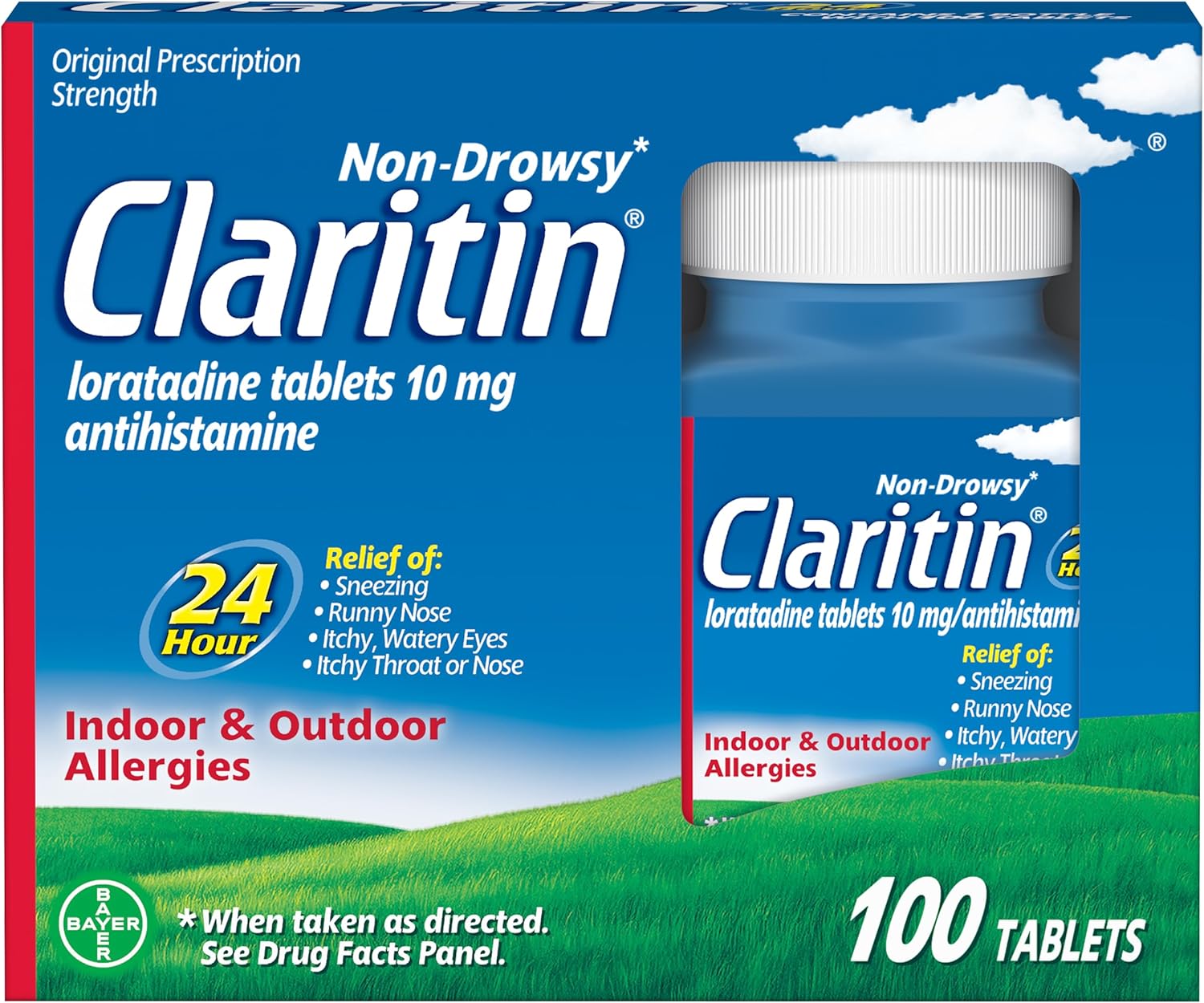
- Over-the-counter Allergy Medicine treatments can help. ✅ 🚀Go to Amazon’s Official Website:
- -You will find POWERFUL, 24-HOUR INDOOR AND OUTDOOR ALLERGY PILLS: Relief of your worst allergy symptoms, including sneezing, runny nose, itchy watery eyes, and itchy throat or nose. Always look for the good-rated product.
- ✅ HEPA Air Purifier with True Filter Technology
- ✅ Hypoallergenic Mattress Encasement Set
- ✅ Quercetin + Bromelain Anti-Histamine Support
- ✅ Allergy-Friendly Cleaning Kit
- ✅ Gut-Probiotic Immunity Booster
- Quercetin: A natural compound found in apples and onions. It stabilizes mast cells and reduces histamine release. Try this quercetin supplement.
- Stinging Nettle Leaf: A powerful herbal antihistamine. Works fast and has zero drowsy side effects. Here’s our top pick.
- Local Raw Honey: Contains small amounts of local pollen that may help build tolerance. One spoon a day could help during allergy season.
- Vitamin D & Omega-3s: Essential for calming inflammation and regulating immunity. Check this immune support combo.
When to See a Specialist
If your symptoms are severe, unpredictable, or life-threatening (think: anaphylaxis), you need to consult an allergist. Skin prick tests or IgE blood panels can pinpoint your exact allergens.
And if you’ve never considered allergy immunotherapy, now’s the time. Many people report dramatic, long-term improvement after completing a round of allergy shots or sublingual tablets.
Final Thoughts: You Don’t Have to Live with Allergies Forever
Millions of people are told to “just manage” their allergies. But you deserve real answers—and real relief.
By addressing the hidden triggers, making smart product swaps, and supporting your immune system holistically, you can finally feel better—and maybe even say goodbye to your allergies for good.
Picks for Allergy Relief:
- Over-the-counter Allergy Medicine treatments can help. ✅ 🚀Go to Amazon’s Official Website:
- -You will find POWERFUL, 24-HOUR INDOOR AND OUTDOOR ALLERGY PILLS: Relief of your worst allergy symptoms, including sneezing, runny nose, itchy watery eyes, and itchy throat or nose. Always look for the good-rated product.
- ✅ HEPA Air Purifier with True Filter Technology
- ✅ Hypoallergenic Mattress Encasement Set
- ✅ Quercetin + Bromelain Anti-Histamine Support
- ✅ Allergy-Friendly Cleaning Kit
- ✅ Gut-Probiotic Immunity Booster
P.S. If this helped you, share it with a friend who’s always sneezing—and don’t forget to subscribe for more wellness deep-dives.

Discover what causes acne, learn how to identify different symptoms, and explore proven treatment options. Find out what really works — including dermatologist-recommended products.

Proactiv+ 3 Step Advanced Skincare Acne Treatment – Salicylic Acid Face Wash, Benzoyl Peroxide Pore Minimizing Treatment, and Salicylic Acid Hydrating…
Size:90-Day
Struggling with acne? You’re not alone. Acne affects over 50 million Americans every year, making it the most common skin condition in the United States. From teenagers to adults, breakouts can be painful, frustrating, and even impact self-esteem. In this guide, we’ll explore the real causes, common symptoms, and the most effective acne treatments available today — both over-the-counter and prescription. Whether you’re looking for the best acne cream or thinking about seeing a dermatologist, we’ve got you covered.

What Is Acne?
Acne, also known as acne vulgaris, is a chronic skin condition that occurs when hair follicles become clogged with oil and dead skin cells. The result? Whiteheads, blackheads, pimples, and in severe cases — painful cysts or nodules.
Acne most often appears on the face, but it can also affect the back, chest, shoulders, and upper arms.
Main Causes of Acne
Understanding the root cause is the first step toward clearer skin.
- Excess Oil Production – Overactive sebaceous glands create more sebum than needed.
- Clogged Pores – Dead skin cells mix with oil and block hair follicles.
- Bacterial Growth – Cutibacterium acnes bacteria trigger inflammation and pus formation.
- Hormonal Fluctuations – Puberty, menstrual cycles, pregnancy, and birth control changes can trigger breakouts.
- Genetics – If your parents had acne, you’re more likely to develop it too.

Common Symptoms of Acne
- Whiteheads (closed comedones)
- Blackheads (open comedones)
- Papules (small red bumps)
- Pustules (pus-filled pimples)
- Nodules (large, painful lumps beneath the skin)
- Cysts (deep, pus-filled infections that may scar)
- Skin redness and irritation
- Scarring (from deep or untreated lesions)
Over-the-counter treatments can help. ✅ 🚀Go to Amazon’s Official Website:
Acne Treatment Options
Self-Care and Lifestyle Changes
Gentle skincare routines make a huge difference:
- Use a mild, non-comedogenic cleanser like CeraVe Foaming Cleanser
- Avoid scrubbing or over-washing
- Keep hair clean and away from the face
- Don’t pick or pop pimples — it leads to scarring
- Switch to water-based or oil-free makeup
Best Over-the-Counter Acne Products
These active ingredients can help reduce breakouts:
- Benzoyl Peroxide – Kills bacteria and reduces inflammation
- Salicylic Acid – Unclogs pores and exfoliates dead skin
- Retinoids – Promote cell turnover and prevent clogging
- Sulfur or Azelaic Acid – Help with inflammation and redness
Our top picks:
- Differin Adapalene Gel 0.1% Acne Treatment
- Paula’s Choice 2% BHA Liquid Exfoliant
- PanOxyl 10% Acne Foaming Wash
Affiliate Disclosure: These are affiliate links. We may earn a commission if you purchase through them — at no extra cost to you.
Over-the-counter treatments can help. ✅ 🚀Go to Amazon’s Official Website:
Prescription Treatments
If OTC products don’t help after a few months, consider professional options:
- Topical Antibiotics – Like clindamycin or erythromycin
- Oral Antibiotics – Such as doxycycline or minocycline
- Hormonal Therapy – Birth control pills or spironolactone for women
- Isotretinoin (Accutane) – For severe, cystic acne. Highly effective but must be used with caution.
When to See a Dermatologist
You should contact a dermatologist if:
- Acne becomes painful, cystic, or widespread
- Scars begin forming
- Over-the-counter products aren’t working
- You experience emotional distress related to your skin condition
Final Thoughts
Acne isn’t just a cosmetic issue—it’s a medical condition that deserves the right attention. With a combination of science-backed treatments, consistent skincare, and professional support, you can gain control over your acne and restore confidence.
Over-the-counter treatments can help. ✅ 🚀Go to Amazon’s Official Website:
Looking for clear skin solutions that actually work?
Check out our curated list of top-rated acne products:
Shop Our Best Acne Treatments Here
Tags: acne treatment, acne symptoms, how to treat acne, best acne products, adult acne, hormonal acne, skincare tips, dermatologist recommended.

Gastroesophageal Reflux Disease (GERD) is a prevalent chronic digestive condition, affecting nearly 20% of Americans. It’s more than just occasional heartburn. This guide explores what GERD is, its importance, symptoms, causes, treatments, and products for effective management.

Prilosec OTC, Omeprazole Delayed Release 20mg, Acid Reducer, Treats Frequent Heartburn for 24 Hour Relief, All Day, All Night*, 20mg, 42 Tablets.
✅ Prilosec OTC is a popular over-the-counter medication designed to treat frequent heartburn. Its active ingredient, omeprazole, is a proton pump inhibitor (PPI) that works by reducing stomach acid production. This delayed-release formula provides relief for up to 24 hours, making it effective for those who experience heartburn flare-ups two or more times a week
5.1. Lifestyle Changes
- What is GERD?
Gastroesophageal Reflux Disease (GERD) occurs when the lower esophageal sphincter (LES)—a muscle ring at the end of the esophagus—fails to close properly, allowing stomach acid to backflow into the esophagus. While occasional reflux is normal, GERD is diagnosed when acid reflux occurs frequently (twice a week or more) and leads to symptoms or complications like inflammation or ulcers. - What Causes GERD?
Several factors can weaken or impair the LES or increase pressure on the stomach, making reflux more likely: - Weak or relaxed LES
- Hiatal hernia
- Obesity
- Pregnancy
- Smoking
- Certain medications (e.g., NSAIDs, calcium channel blockers)
- Trigger foods (e.g., spicy, fatty foods, chocolate, peppermint)
- Alcohol and caffeine
- Delayed stomach emptying (gastroparesis)
- Connective tissue disorders like scleroderma
- Common GERD Symptoms
Adults with GERD may experience: - Frequent heartburn
- Sour or bitter regurgitation
- Chest pain (non-cardiac)
- Difficulty swallowing (dysphagia)
- Chronic cough or throat clearing
- Hoarseness or sore throat
- Nausea or bloating
- Dental enamel erosion
- How GERD is Diagnosed
Doctors use a combination of medical history, symptom evaluation, and diagnostic tests: - Physical exam and symptom tracking
- Upper endoscopy (EGD)
- Ambulatory pH monitoring
- Esophageal manometry
- Barium swallow imaging
- GERD Treatment Options

Pepcid Complete Acid Reducer + Antacid Chewables, 10mg Famotidine, 800mg Calcium Carbonate & 165mg Magnesium Hydroxide per Heartburn Medicine Tablet
✅ Pepcid Complete is a chewable tablet that combines an acid reducer (famotidine) with antacids (calcium carbonate and magnesium hydroxide) for dual-action heartburn relief. It works quickly to neutralize stomach acid and provides longer-lasting acid control compared to standard antacids. Each tablet contains:
- 10mg Famotidine: Reduces acid production in the stomach.
- 800mg Calcium Carbonate: Neutralizes existing stomach acid.
- 165mg Magnesium Hydroxide: Also helps neutralize acid and may prevent constipation caused by calcium carbonate.
This product is designed for fast relief from heartburn, acid indigestion, and sour stomach. It’s available in flavors like mint, berry, and tropical fruit, making it a convenient and palatable option for on-the-go relief.
“Looking for products that help? Check the description below for links to top-rated wedge pillows, GERD-friendly cookbooks, and digestive supplements like DGL licorice or aloe vera juice — handpicked to support your relief journey.”
- Top-rated wedge pillows on Amazon ✅ 🚀
- GERD-friendly cookbooks on Amazon: ✅ 🚀
- Digestive supplements on Amazon: ✅ 🚀
- Gastroesophageal Reflux Disease (GERD) on Amazon✅ 🚀
5.2. Over-the-Counter Medications
- Avoid trigger foods and beverages
- Eat smaller, more frequent meals
- Don’t lie down within 3 hours after eating
- Elevate the head of your bed 6-8 inches
- Maintain a healthy weight
- Quit smoking and limit alcohol
- Stay upright during and after meals
- Antacids (e.g., Tums, Rolaids) – quick relief
- H2 blockers (e.g., Pepcid AC) – reduce acid production
- Alginates (e.g., Gaviscon) – barrier against reflux
- Proton Pump Inhibitors (e.g., Prilosec OTC, Nexium 24HR) – reduce stomach acid long-term
5.3. Prescription Medications
- Stronger PPIs (e.g., Protonix, Dexilant)
- Prokinetics (e.g., Metoclopramide) – promote gastric emptying
- Sucralfate – Coats and protects the esophageal lining
5.4. Surgical and Endoscopic Treatments

Beano Ultra 800, Gas Prevention and Digestive Enzyme Supplement, 100 Count & Gas-X Maximum Strength Gas Relief Softgels with Simethicone 250 mg
✅ Beano Ultra 800: This is a gas prevention and digestive enzyme supplement. It contains a natural enzyme that helps break down complex carbohydrates found in foods like beans, vegetables, and whole grains, making them easier to digest. This prevents gas, bloating, and discomfort. It’s clinically proven and vegetarian-friendly, with a recommended dosage of two tablets within 30 minutes of a meal.
✅Gas-X Maximum Strength Softgels: These softgels contain 250 mg of simethicone, which is the highest dose available over-the-counter. Simethicone works by breaking up gas bubbles in the digestive tract, providing fast relief from gas and bloating. The softgels are portable, easy to swallow, and recommended for adults and children over 12 years old, with a maximum of two softgels in 24 hours.
- Nissen fundoplication – surgical wrap around LES
- LINX device – magnetic ring around LES
- Transoral Incisionless Fundoplication (TIF) – endoscopic tightening
- Stretta procedure – radiofrequency to strengthen LES
- Recommended Products for Relief
- Wedge pillows (e.g., MedCline, Brentwood Home) to sleep inclined
- GERD-friendly cookbooks (e.g., Dropping Acid)
- OTC medications and supplements (e.g., ginger tea, DGL licorice)
- Adjustable bed risers and mattress inclines
- Saliva-boosting gum and lozenges
- GERD-Friendly Diet Tips
- Eat lean proteins and whole grains
- Choose non-citrus fruits and low-fat dairy
- Avoid high-fat, fried, spicy, and acidic foods
- Drink water and herbal teas instead of soda or coffee
- Long-Term Management
- Stay consistent with lifestyle changes
- Keep a food/symptom journal
- Regular check-ups with your doctor
- Join online or in-person support communities
- Frequently Asked Questions
- What’s the difference between acid reflux and GERD?
- Can GERD be cured permanently?
- What are the dangers of untreated GERD?
- Is surgery safe and effective?
- Can GERD affect breathing or voice?
Conclusion:
GERD is a manageable condition when addressed with the right strategy. With proper diagnosis, lifestyle modifications, medications, or surgery, you can reduce symptoms and prevent serious complications. For personalized care and expert guidance, it’s crucial to consult your healthcare provider and explore treatment options that fit your lifestyle.
Affiliate Disclosure: This article contains affiliate links. We may earn a commission at no additional cost to you if purchases are made through these links.

Updated – What You Really Need to Know About Alcohol’s Hidden Impact
Ever wake up after a night out with blurry memories or none at all? You’re not alone—and it’s not just about being “too drunk.” Let’s dive into what alcohol really does to your brain and body, and why even casual drinking might be causing more harm than you think.
The Blackout Breakdown
Back in 1969, psychiatrist Dr. Donald Goodwin made a disturbing discovery. When drunk participants were shown a toy and asked to draw it minutes later, most succeeded. But 30 minutes later? Half couldn’t recall a thing. The memory was gone.
Why?
Alcohol’s active chemical—ethanol—acts like a chemical saboteur. It smothers communication between brain cells, slowing down decision-making, impulse control, and coordination. But memory takes the biggest hit.
Normally, memories form when neurons strengthen connections through a process called Long-Term Potentiation (LTP). Alcohol blocks LTP, meaning your brain is experiencing the moment, but not saving it.
Blackouts aren’t passing out—they’re your brain hitting ‘delete’.

Alcohol Free Forever™ ✅ 🚀Official Website: 🌐 https://tinysurl.com/short/yfD7z
“Alcohol Free Forever™” program. This system is designed to help individuals quit drinking and maintain sobriety without attending meetings or expensive counseling. It offers a step-by-step guide, motivational emails, and additional resources, such as hypnosis tracks and meditation guides, to support recovery. The program emphasizes privacy and self-empowerment, aiming to help people regain control over their lives.
The Silent Damage You Don’t Feel (Yet)
Even moderate drinking can cause long-term damage. A 2022 UK Biobank study with over 36,000 participants revealed that drinking just 1–2 alcoholic beverages per day was associated with brain shrinkage, particularly thinning of the cerebral cortex—the region involved in thought, awareness, and language.
And it’s not just your brain. Alcohol:
– Destroys gut health by killing good bacteria
– Inflames your liver, leading to fatty liver disease
– Increases cortisol, the stress hormone—fueling post-drink anxiety
One of the most alarming findings?
Alcohol metabolizes into acetaldehyde, a known carcinogen. Just one drink (about 10g of alcohol) increases the risk of breast cancer by 4–13%. That’s equivalent to smoking up to 10 cigarettes a day.

Hangovers & Harm Reduction: What Can You Do?
Hangovers are more than a headache. They’re a toxic storm of:
– Dehydration
– Inflammation
– Hormonal imbalance
– Poor sleep and fatigue

Hacks that help?
– Electrolytes (before bed and in the morning)
– Fermented foods like kimchi or sauerkraut to replenish gut health
– Cold showers to boost adrenaline and speed detox
– Stick to clear spirits like vodka (fewer congeners = lighter hangover)
And no—“hair of the dog” isn’t a cure. It just delays the crash.
So, Should You Quit?
You don’t need alcohol to feel joy, connect with others, or relax. Whether you sip occasionally or are rethinking your habits, awareness is the first step.
Your brain is your superpower. Protect it.
If this opened your eyes, share it with someone who needs to see it.
Stay curious. Stay informed.