

Many people feel tired, have trouble focusing, or slowly gain weight without knowing why. These problems might seem separate, but new research shows they could all be linked to chronic inflammation.
Chronic inflammation is different from the swelling you notice after an injury. It often goes unnoticed, quietly affecting your energy, metabolism, and brain long before you feel any pain.
Learning how chronic inflammation works can help you make simple changes to improve your health.

What Is Chronic Inflammation?
Inflammation is part of your body’s natural defense system.
When you get injured or sick, your immune system activates inflammation to protect you and help you heal.
This process is supposed to be temporary.
Once healing begins, inflammation should turn off.
Chronic inflammation happens when this system never fully shuts down.
Instead of helping you, your immune system stays slightly active all the time. This causes low-level inflammation throughout your body, even in your brain.
Over time, this constant immune activity can:
- Drain your energy
- Slow your metabolism
- Increase fat storage
- Affect memory and focus
- Raise the risk of chronic disease
Many people have these symptoms without realizing that inflammation may be the cause.
Common Signs of Chronic Inflammation

Chronic inflammation often doesn’t cause pain.
Instead, it often appears as subtle, everyday problems such as:
- Persistent fatigue
- Brain fog or poor concentration
- Slow recovery after workouts
- Unexplained weight gain
- Insulin resistance
- Mood changes
- Digestive discomfort
Because these symptoms appear slowly, people often think they are just part of getting older or feeling stressed.
The Gut: Where Inflammation Often Begins
The gut is one of the main places where chronic inflammation can start.
Your digestive system is home to trillions of bacteria.
These bacteria help control your immune system and produce substances that reduce inflammation.
But this balance can be disrupted by:
- Highly processed foods
- Excess sugar
- Chronic stress
- Antibiotic overuse
- Low fiber intake
If this balance is upset, your gut lining can become weaker.
This lets inflammation signals travel through your body.
Often, inflammation starts in the gut long before you notice symptoms elsewhere in your body.
How Inflammation Affects the Brain
Inflammation can move throughout your body.
It travels in your blood and can reach your brain.
When inflammation reaches the brain, it slows communication between nerve cells. This can lead to:
- Mental fatigue
- Difficulty focusing
- Low motivation
- Memory problems
- Mood disturbances
Many people think these problems come from stress or lack of sleep. But chronic inflammation could be a major contributor to the cause.
The Link Between Inflammation and Weight Gain
Chronic inflammation can also change how your body uses energy.
Inflammation can make it harder for your cells to use insulin, so they do not absorb sugar from your blood as well. This is called insulin resistance and is a main cause of type 2 diabetes.
When blood sugar stays high:
- The body stores more fat
- Energy levels drop
- Hunger increases
- Inflammation rises further
This creates a cycle where inflammation and weight gain keep making each other worse.
Everyday Habits That Increase Inflammation
A lot of people think only a bad diet causes inflammation.
But many everyday habits also have a strong effect.
1. Poor Sleep
Sleep is when your body repairs itself.
Without enough quality sleep, inflammation levels rise.
2. Chronic Stress
Long-term stress increases cortisol levels, which can activate inflammatory pathways.
3. Dehydration
Even mild dehydration can:
- Slow detoxification
- Increase oxidative stress
- Thicken the blood
- Raise inflammatory markers
Small things you do each day can affect inflammation more than you might think.
Environmental Triggers You Might Not Notice
Things like allergens and pollution in your environment can also keep your immune system active.
Repeated exposure to:
- Dust
- Mold
- Pollen
- Chemical irritants
can keep your immune system working all the time, even if you do not notice any allergy symptoms.
Reducing these triggers can lower inflammation more quickly than just taking supplements.
Simple Ways to Reduce Chronic Inflammation Naturally
The aim isn’t to get rid of all inflammation.
Inflammation is necessary for healing.
Instead, you want to remove the things that keep inflammation going.
Here are simple, natural strategies:
Improve Sleep Quality
Aim for 7 to 9 hours of steady sleep every night.
Stay Hydrated
Drink water throughout the day to help your body stay healthy.
Eat Fiber-Rich Foods
Eating vegetables, fruits, beans, and whole grains keeps your gut bacteria healthy.
Get Daily Movement
Walking or doing light exercise regularly improves blood flow and keeps your immune system balanced.
Reduce Stress
Practicing mindfulness, breathing exercises, or spending time outside can help lower stress.
Spend Time in Sunlight
Morning sunlight helps set your body’s clock and supports your immune system.
Making small changes and sticking with them works better than quick, extreme fixes.
The Big Picture: Inflammation Is a Signal
Chronic inflammation isn’t just a single problem.
It’s a message from your whole body.
Your body isn’t falling apart for no reason.
It is reacting to signals from your surroundings and daily routines.
When you reduce these triggers, many people notice:
- Better energy
- Clearer thinking
- Improved mood
- Healthier metabolism
A Simple Daily Anti-Inflammation Routine
Try this basic daily plan:
Morning
Get natural sunlight and drink a glass of water.
Daytime
Eat fiber-rich meals and stay active.
Evening
Reduce stress, dim lights, and prepare for quality sleep.
Night
Sleep in a cool, dark environment.
Over time, these habits can help reduce inflammation and boost your overall health.
Final Thoughts
People often treat fatigue, brain fog, and weight gain as separate issues.
But in many cases, they’re all linked by one hidden cause: chronic inflammation.
By learning how inflammation works and making small changes each day, you can boost your energy, focus, and health.
Sometimes, getting healthier isn’t about adding more to your routine.
It is about removing the things that keep your body stressed all the time.

Most people try to fix their sleep at night.
They buy new pillows, drink herbal teas, or scroll through sleep tips before bed.
But what if your sleep problems actually start in the morning?
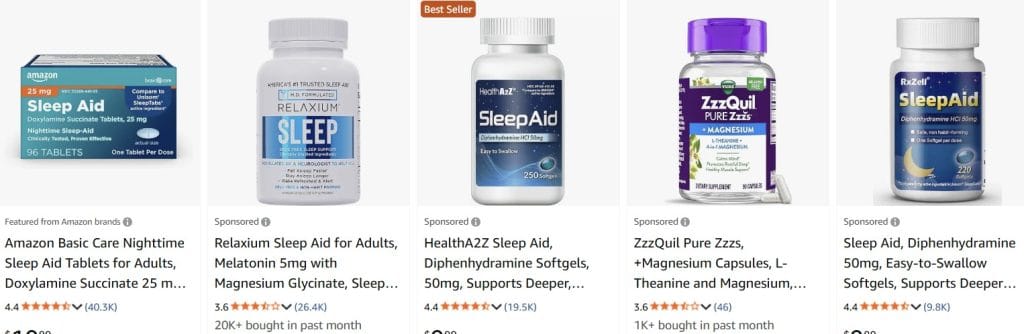
Science shows that your body clock is set within the first hour after you wake up. A simple habit—stepping outside for natural light—can make a powerful difference in how you feel during the day and how well you sleep at night.
The best part? It only takes about ten minutes.
Why Your Sleep Really Starts in the Morning
Inside your brain is a tiny structure that acts like your master clock. This clock controls when you feel alert, when you feel tired, and when your body releases important hormones.
Your body doesn’t rely on a watch or an alarm clock.
It relies on light.
When your eyes detect bright morning light, your body releases hormones that help you wake up and feel alert. At the same time, it quietly starts a timer. About 12 to 14 hours later, your body begins preparing for sleep.
This is why your morning routine has such a powerful impact on your night.
The Simple Habit: Morning Light Exposure
The habit is simple:
Step outside and get natural light within the first hour after waking up.
You don’t need to stare at the sun.
You don’t need a complicated routine.
You just need to be outside where natural light can reach your eyes.
Even a short amount of morning light can help:
- Reset your internal body clock
- Improve daytime energy
- Support better mood
- Make it easier to fall asleep at night
How Long Do You Need?
The amount of time depends on the weather.
On a sunny morning:
2 to 5 minutes outside may be enough.
On a cloudy day:
Aim for about 10 minutes.
On an overcast or rainy morning:
Try 20 minutes or more if possible.
You can walk, stretch, sip your coffee, or simply stand outside. The goal is to let your eyes experience natural light.
Why Indoor Light Isn’t the Same
Many people think sitting near a window or turning on bright indoor lights is enough. Unfortunately, it usually isn’t.
Your eyes have special cells that respond best to natural outdoor light. Even on cloudy days, outdoor light is often much brighter than indoor lighting.
When light passes through glass, its intensity drops significantly. So stepping outside—even briefly—makes a much bigger difference than staying indoors.
The Evening Side of the Equation
Morning light helps your body wake up.
But bright light late at night can confuse your internal clock.
Phones, tablets, and bright overhead lights in the evening can delay your natural sleep signals. This makes it harder to fall asleep and may affect your mood the next day.
A simple evening routine can help:
- Dim the lights after sunset
- Use night-mode settings on devices
- Avoid bright screens close to bedtime
Your body responds to light all day long, not just in the morning.
What If You Wake Up Before Sunrise?
If you wake up while it’s still dark, don’t worry.
Start your day by turning on bright indoor lights. This helps your body begin the waking process. Then, once the sun rises, step outside for a few minutes to complete the signal.
If you live in a very dark climate or during winter months, a certified light therapy lamp may also help.
A Simple Daily Light Routine
You can support your sleep with this easy schedule:
Morning:
Get natural outdoor light within the first hour after waking.
Afternoon or sunset:
Spend a few minutes outside if possible.
Evening:
Dim indoor lights and reduce screen brightness.
Night:
Keep your bedroom as dark as possible.
Follow this routine for a few days, and many people notice more stable energy during the day and easier sleep at night.
Why This Habit Works
This simple habit works because it aligns your body with its natural rhythm.
Instead of forcing sleep with supplements or gadgets, you give your brain the signals it has evolved to understand:
light in the morning, darkness at night.
Sometimes better health doesn’t come from doing more.
It comes from doing simple things at the right time.
And one of the simplest habits of all…
is stepping outside into the morning light.
Quick Action Plan
Starting tomorrow:
- Go outside within one hour of waking.
- Stay outside for at least 5–10 minutes.
- Dim your lights in the evening.
- Keep your bedroom dark at night.
Try this for one week and notice the difference.
Blog

Struggling with low energy or libido? Discover the ultimate guide to men’s vitality health—symptoms, causes, and actionable treatments to reclaim your vigor.
Men’s vitality is the cornerstone of physical energy, mental clarity, and sexual health. Yet, factors like aging, stress, and lifestyle choices can disrupt hormonal balance, leading to fatigue, low libido, and more. This comprehensive guide will explore the Men’s Vitality Health Symptoms, Causes, and Treatment Guide—a resource designed to help you understand low testosterone, optimize wellness, and explore effective solutions.

✅ My #1 recommended product for Men’s Vitality Supplement: 📌
👉🔗Viril Wood Men’s Vitality Supplement Boost Testosterone, Energy & Wellness. This is marketed as a natural solution to enhance male vitality, stamina, and overall wellness. It claims to support healthy blood flow, hormonal balance, and energy levels, which are essential for physical performance and general well-being. The supplement includes a blend of natural ingredients like herbs and plant extracts, such as Horny Goat Weed and Maca Root, which are often associated with improving circulation and boosting libido.
The product is manufactured in an FDA-registered and GMP-certified facility, ensuring quality standards. It is also non-GMO and gluten-free. The company offers a 180-day money-back guarantee, allowing users to try the product risk-free.
Key Symptoms of Low Testosterone
Recognizing the signs of declining vitality is the first step toward recovery. Common symptoms include:
- Decreased Libido: Loss of interest in sex or difficulty maintaining arousal.
- Erectile Dysfunction: Challenges achieving or sustaining erections.
- Fatigue & Mood Swings: Persistent tiredness, irritability, or depression.
- Physical Changes: Increased body fat, muscle loss, or reduced bone density.
Early intervention can reverse these effects. The Men’s Vitality Health Guide details how to spot these red flags.

👉🔗 DOCTORS’ PREFERRED Daily5 with Must-Have Clinically Validated Ingredients That Cover the Vital Areas for Good Health and living younger—heart, Joints, …
Root Causes of Men’s Vitality Issues
Understanding the triggers helps tailor solutions:
- Age: Testosterone levels drop ~1% annually after 30.
- Lifestyle Factors: Obesity, smoking, and alcohol worsen hormonal imbalance.
- Medical Conditions: Diabetes, kidney disease, or genetic disorders disrupt hormone production.
- Stress: Chronic stress elevates cortisol, suppressing testosterone.
The guide dives into mitigating these causes through science-backed strategies.

Discover🔗NITRIC BOOST ULTRA: The All-Natural Solution for Men’s Enhancement.
Effective Treatment Options
1. Testosterone Replacement Therapy (TRT)
- Pros: Rapidly restores energy, muscle mass, and libido.
- Cons: Requires medical supervision; potential side effects like acne or prostate issues.
2. Lifestyle Modifications
- Diet & Exercise: Prioritize zinc-rich foods (oysters, spinach) and strength training.
- Stress Management: Yoga, meditation, or adaptogens like Ashwagandha.
3. Supplements for Vitality
Top-rated options in the Men’s Vitality Health Guide include:
- Testosterone Boosters: Tribulus Terrestris, D-Aspartic Acid.
- Cardiovascular Support: L-Arginine for blood flow and heart health.
- Energy Enhancers: Panax Ginseng and Vitamin B12.
Supplements offer a non-invasive option but work best alongside healthy habits.
Why Choose the Men’s Vitality Health Guide?
This guide stands out by:
- Holistic Approach: Combines TRT insights, natural remedies, and lifestyle tweaks.
- Expert-Backed: Cites Mayo Clinic, Healthline, and peer-reviewed studies.
- Actionable Plans: Customizable diet, exercise, and supplement routines.
Compared to generic advice, this guide offers tailored strategies for men over 30.
Risks and Considerations
- TRT Risks: Potential prostate issues or sleep apnea flare-ups. Always consult a doctor.
- Supplement Safety: Opt for third-party tested brands to avoid contaminants.
Call to Action: Reclaim Your Vitality Today!
Don’t let low testosterone dictate your life. The Men’s Vitality Health Guide equips you with:
- Step-by-Step Treatment Plans
- Trusted Product Recommendations (Including affiliate links to top supplements and TRT clinics)
- Long-Term Wellness Strategies
👉 Explore Proven Treatments Here (Affiliate link)
FAQs
Q: Can diet alone boost testosterone?
A: Yes! Zinc, vitamin D, and healthy fats support hormone production—details in the guide.
Q: Are vitality supplements safe?
A: Most are safe when used as directed, but consult a doctor if on medication.
Top 10 Testosterone-Boosting Foods
- Oysters: These oceanic delicacies are not just a treat for the taste buds, but also a powerhouse for your hormonal health. Renowned for their high zinc content, oysters are crucial in testosterone production. Their ability to combat zinc deficiency, a known culprit for lower testosterone levels, makes them a strong ally for your hormonal balance.
- Eggs: A fantastic source of protein and cholesterol, which is vital for testosterone synthesis. The yolk contains valuable nutrients, including vitamin D, which has been shown to support healthy testosterone levels.
- Leafy Greens: Vegetables like spinach, kale, and Swiss chard are rich in magnesium, a mineral associated with increased testosterone levels. These greens are also packed with vitamins and antioxidants, promoting overall health.
- Fatty Fish: Salmon, mackerel, and sardines are excellent sources of omega-3 fatty acids, which are linked to improved hormone production and better heart health. The healthy fats in these fish can also enhance testosterone levels.
- Beef: Lean cuts of beef are indeed a testosterone-boosting powerhouse, rich in zinc and saturated fat. However, moderation is key. Consuming meat in excess can have adverse health effects. Opting for grass-fed options can further enhance the health benefits of beef.
- Cruciferous Vegetables: Broccoli, cauliflower, and Brussels sprouts contain indoles, which may help lower estrogen levels in men and potentially increase testosterone levels. They are also high in fiber and vitamins.
- Nuts and Seeds: Almonds and walnuts are excellent sources of healthy fats and nutrients that support testosterone levels. Almonds are particularly high in vitamin E, essential for hormonal health.
- Pomegranates: This antioxidant-rich fruit has been linked to improved testosterone levels and overall male reproductive health. Studies show that regular consumption may help enhance testosterone production and libido.
- Coconut: Coconut oil and water are healthy fats that can serve to boost testosterone levels. The fatty acids in coconut may also provide energy and help regulate cholesterol levels, improving overall hormonal balance.
- Garlic: Known for its many health benefits, garlic contains allicin, which can help lower cortisol levels. Since high cortisol can negatively impact testosterone production, incorporating garlic into your diet may support hormonal balance.
By including these foods in your diet, you’re taking a proactive step towards maintaining healthy testosterone levels, supporting muscle growth, and improving overall vitality. Remember, a balanced diet is key, and it’s always a good idea to consult with a healthcare professional before significantly changing your nutritional habits.
Final Thoughts
Men’s vitality isn’t just about testosterone—it’s about holistic health. Whether you opt for TRT, supplements, or lifestyle changes, the Men’s Vitality Health Guide is your roadmap to renewed energy and confidence. Take charge today!
- #LowTestosteroneSymptoms
- #TestosteroneReplacementTherapy
- #MensHealthOver40
- #NaturalTestosteroneBoosters
- #ErectileDysfunctionSolutions
- #MaleHormoneImbalance
- #BoostMensEnergyNaturally
- #MensVitalitySupplements
- #TRTBenefitsAndRisks
- #MaleLibidoFix