

Struggling with low energy or libido? Discover the ultimate guide to men’s vitality health—symptoms, causes, and actionable treatments to reclaim your vigor.
Men’s vitality is the cornerstone of physical energy, mental clarity, and sexual health. Yet, factors like aging, stress, and lifestyle choices can disrupt hormonal balance, leading to fatigue, low libido, and more. This comprehensive guide will explore the Men’s Vitality Health Symptoms, Causes, and Treatment Guide—a resource designed to help you understand low testosterone, optimize wellness, and explore effective solutions.

✅ My #1 recommended product for Men’s Vitality Supplement: 📌
👉🔗Viril Wood Men’s Vitality Supplement Boost Testosterone, Energy & Wellness. This is marketed as a natural solution to enhance male vitality, stamina, and overall wellness. It claims to support healthy blood flow, hormonal balance, and energy levels, which are essential for physical performance and general well-being. The supplement includes a blend of natural ingredients like herbs and plant extracts, such as Horny Goat Weed and Maca Root, which are often associated with improving circulation and boosting libido.
The product is manufactured in an FDA-registered and GMP-certified facility, ensuring quality standards. It is also non-GMO and gluten-free. The company offers a 180-day money-back guarantee, allowing users to try the product risk-free.
Key Symptoms of Low Testosterone
Recognizing the signs of declining vitality is the first step toward recovery. Common symptoms include:
- Decreased Libido: Loss of interest in sex or difficulty maintaining arousal.
- Erectile Dysfunction: Challenges achieving or sustaining erections.
- Fatigue & Mood Swings: Persistent tiredness, irritability, or depression.
- Physical Changes: Increased body fat, muscle loss, or reduced bone density.
Early intervention can reverse these effects. The Men’s Vitality Health Guide details how to spot these red flags.

👉🔗 DOCTORS’ PREFERRED Daily5 with Must-Have Clinically Validated Ingredients That Cover the Vital Areas for Good Health and living younger—heart, Joints, …

Root Causes of Men’s Vitality Issues
Understanding the triggers helps tailor solutions:
- Age: Testosterone levels drop ~1% annually after 30.
- Lifestyle Factors: Obesity, smoking, and alcohol worsen hormonal imbalance.
- Medical Conditions: Diabetes, kidney disease, or genetic disorders disrupt hormone production.
- Stress: Chronic stress elevates cortisol, suppressing testosterone.
The guide dives into mitigating these causes through science-backed strategies.

Discover🔗NITRIC BOOST ULTRA: The All-Natural Solution for Men’s Enhancement.
Effective Treatment Options
1. Testosterone Replacement Therapy (TRT)
- Pros: Rapidly restores energy, muscle mass, and libido.
- Cons: Requires medical supervision; potential side effects like acne or prostate issues.
2. Lifestyle Modifications
- Diet & Exercise: Prioritize zinc-rich foods (oysters, spinach) and strength training.
- Stress Management: Yoga, meditation, or adaptogens like Ashwagandha.
3. Supplements for Vitality
Top-rated options in the Men’s Vitality Health Guide include:
- Testosterone Boosters: Tribulus Terrestris, D-Aspartic Acid.
- Cardiovascular Support: L-Arginine for blood flow and heart health.
- Energy Enhancers: Panax Ginseng and Vitamin B12.
Supplements offer a non-invasive option but work best alongside healthy habits.
Why Choose the Men’s Vitality Health Guide?
This guide stands out by:
- Holistic Approach: Combines TRT insights, natural remedies, and lifestyle tweaks.
- Expert-Backed: Cites Mayo Clinic, Healthline, and peer-reviewed studies.
- Actionable Plans: Customizable diet, exercise, and supplement routines.
Compared to generic advice, this guide offers tailored strategies for men over 30.
Risks and Considerations
- TRT Risks: Potential prostate issues or sleep apnea flare-ups. Always consult a doctor.
- Supplement Safety: Opt for third-party tested brands to avoid contaminants.
Call to Action: Reclaim Your Vitality Today!
Don’t let low testosterone dictate your life. The Men’s Vitality Health Guide equips you with:
- Step-by-Step Treatment Plans
- Trusted Product Recommendations (Including affiliate links to top supplements and TRT clinics)
- Long-Term Wellness Strategies
👉 Explore Proven Treatments Here (Affiliate link)
FAQs
Q: Can diet alone boost testosterone?
A: Yes! Zinc, vitamin D, and healthy fats support hormone production—details in the guide.
Q: Are vitality supplements safe?
A: Most are safe when used as directed, but consult a doctor if on medication.
Top 10 Testosterone-Boosting Foods
- Oysters: These oceanic delicacies are not just a treat for the taste buds, but also a powerhouse for your hormonal health. Renowned for their high zinc content, oysters are crucial in testosterone production. Their ability to combat zinc deficiency, a known culprit for lower testosterone levels, makes them a strong ally for your hormonal balance.
- Eggs: A fantastic source of protein and cholesterol, which is vital for testosterone synthesis. The yolk contains valuable nutrients, including vitamin D, which has been shown to support healthy testosterone levels.
- Leafy Greens: Vegetables like spinach, kale, and Swiss chard are rich in magnesium, a mineral associated with increased testosterone levels. These greens are also packed with vitamins and antioxidants, promoting overall health.
- Fatty Fish: Salmon, mackerel, and sardines are excellent sources of omega-3 fatty acids, which are linked to improved hormone production and better heart health. The healthy fats in these fish can also enhance testosterone levels.
- Beef: Lean cuts of beef are indeed a testosterone-boosting powerhouse, rich in zinc and saturated fat. However, moderation is key. Consuming meat in excess can have adverse health effects. Opting for grass-fed options can further enhance the health benefits of beef.
- Cruciferous Vegetables: Broccoli, cauliflower, and Brussels sprouts contain indoles, which may help lower estrogen levels in men and potentially increase testosterone levels. They are also high in fiber and vitamins.
- Nuts and Seeds: Almonds and walnuts are excellent sources of healthy fats and nutrients that support testosterone levels. Almonds are particularly high in vitamin E, essential for hormonal health.
- Pomegranates: This antioxidant-rich fruit has been linked to improved testosterone levels and overall male reproductive health. Studies show that regular consumption may help enhance testosterone production and libido.
- Coconut: Coconut oil and water are healthy fats that can serve to boost testosterone levels. The fatty acids in coconut may also provide energy and help regulate cholesterol levels, improving overall hormonal balance.
- Garlic: Known for its many health benefits, garlic contains allicin, which can help lower cortisol levels. Since high cortisol can negatively impact testosterone production, incorporating garlic into your diet may support hormonal balance.
By including these foods in your diet, you’re taking a proactive step towards maintaining healthy testosterone levels, supporting muscle growth, and improving overall vitality. Remember, a balanced diet is key, and it’s always a good idea to consult with a healthcare professional before significantly changing your nutritional habits.
Final Thoughts
Men’s vitality isn’t just about testosterone—it’s about holistic health. Whether you opt for TRT, supplements, or lifestyle changes, the Men’s Vitality Health Guide is your roadmap to renewed energy and confidence. Take charge today!
- #LowTestosteroneSymptoms
- #TestosteroneReplacementTherapy
- #MensHealthOver40
- #NaturalTestosteroneBoosters
- #ErectileDysfunctionSolutions
- #MaleHormoneImbalance
- #BoostMensEnergyNaturally
- #MensVitalitySupplements
- #TRTBenefitsAndRisks
- #MaleLibidoFix

Discover the types, symptoms, and best treatments for arthritis. Learn how to manage joint inflammation and explore proven solutions to improve mobility.

Powerful All-New Pain and Aches Relief Formula
Check the links 👉 CoolEase is an all-natural pain relief product that alleviates aches and discomfort. It combines a proprietary blend of five key ingredients: Arnica Montana Flower Extract, Vitamin E, Sunflower Oil, Mint, and Aloe Vera. These components reduce pain, improve blood circulation, and promote overall wellness. The formula is non-GMO, GMP-certified, and manufactured in an FDA-registered facility.
👉CoolEase is marketed as a fast-acting solution penetrating deeply into affected areas, providing soothing relief, and supporting a healthy inflammatory response. It is easy to apply, non-sticky, and odor-free. The product is available exclusively online and comes with a 60-day money-back guarantee.
What is Arthritis?
Arthritis, often called joint inflammation, is a condition characterized by swelling, stiffness, and pain in one or more joints. With over 100 types—including osteoarthritis (OA) and rheumatoid arthritis (RA)—it affects millions worldwide. Cartilage breakdown, autoimmune responses, infections, or injuries can trigger arthritis, leading to chronic discomfort if untreated.

Primary Keywords: arthritis, joint inflammation, osteoarthritis, rheumatoid arthritis
Types of Arthritis
- Osteoarthritis (OA): The most common type, caused by “wear and tear” of cartilage.
- Rheumatoid Arthritis (RA): An autoimmune disorder where the body attacks joint tissues.
- Gout: Caused by uric acid crystals, often affecting the big toe.
- Psoriatic Arthritis: Linked to psoriasis, causing joint and skin inflammation.
- Juvenile Arthritis: Affects children under 16.
Secondary Keywords: types of arthritis, gout symptoms, psoriatic arthritis

Common Causes of Arthritis
- Aging and cartilage degeneration
- Autoimmune disorders (e.g., RA, lupus)
- Infections (bacterial/viral)
- Genetics or family history
- Obesity or joint injuries
Arthritis Symptoms to Watch For
Early detection improves outcomes. Look for:
- Joint pain and stiffness (especially mornings)
- Swelling, redness, or warmth around joints
- Reduced mobility or difficulty gripping objects
- Fatigue and unintended weight loss

Pro Tip: If symptoms persist beyond 3 days or worsen, consult a doctor immediately.
Diagnosis and Testing
Doctors use physical exams, blood tests (e.g., rheumatoid factor), and imaging (X-rays/MRIs) to diagnose arthritis. Joint fluid analysis may identify infections or gout.
Arthritis Prevention Tips
- Maintain a healthy weight to reduce joint stress.
- Exercise regularly (low-impact activities like swimming).
- Eat anti-inflammatory foods (omega-3s, berries, leafy greens).
- Avoid repetitive motions that strain joints.
Effective Arthritis Treatments
1. Lifestyle Changes
- Exercise: Strengthen muscles with yoga, walking, or resistance training.
- Diet: Incorporate turmeric, ginger, and omega-3-rich foods like salmon.
- Hot/Cold Therapy: Ease stiffness with heating pads or ice packs.
2. Medications
- OTC Options: 👉Acetaminophen (Tylenol) or NSAIDs (ibuprofen) for pain relief.
- Prescription Drugs: Biologics (Humira, Enbrel) for autoimmune arthritis or DMARDs (methotrexate).
3. Surgical Solutions
- Joint Replacement: For severe cases (e.g., knee or hip replacements).
- Topical Pain Relievers: Try👉 Capsaicin Cream for targeted joint relief ( link).
- Joint Supplements: 👉Glucosamine and chondroitin supplements support cartilage health (link).
When to Seek Medical Help
Contact a healthcare provider if you experience:
- Severe, unexplained joint pain
- Fever or sudden weight loss
- Inability to perform daily tasks
Conclusion: Take Control of Joint Health
While arthritis is often chronic, early intervention and the right treatments can dramatically improve quality of life. From lifestyle adjustments to advanced therapies, managing symptoms is possible.
Ready to ease arthritis pain? Explore our top-rated joint supplements, ergonomic tools, and pain relief creams here. Invest in solutions that help you move freely again!
- arthritis treatment
- joint pain relief
- best supplements for arthritis
- how to reduce joint inflammation
- manage osteoarthritis

(The Hidden Triggers & Fixes Most People Ignore)
Allergy season feels like it never ends. Your nose runs like a faucet, your eyes sting, your skin itches—and nothing seems to work. You’ve tried every pill, spray, and lotion in the pharmacy, but your allergies keep coming back.
What if the real problem isn’t what you think?
The truth is, most allergy sufferers are stuck treating the symptoms, not the cause—and that’s why their allergies never truly go away.
In this post, we’ll uncover the hidden triggers behind chronic allergies, why your immune system keeps overreacting, and science-backed strategies that actually work.
Why You’re Still Suffering: The Hidden Truth About Allergies
Allergies aren’t just annoying—they’re your immune system reacting as if it’s under attack. But instead of fighting off a virus or bacteria, it’s misfiring on harmless things like pollen, dust, or peanuts.
So why is your immune system doing this?
Here’s the surprising part:
Modern science suggests your environment may be too clean.
This theory, called the Hygiene Hypothesis, reveals something shocking:
In the past, our bodies constantly fought off parasites—like intestinal worms. To survive, we evolved powerful immune defenses, including cells that released histamine to flush the invaders out.
Today, with clean water, sanitized homes, and modern medicine, those parasites are gone—but our immune system hasn’t gotten the memo. Now, it turns its firepower on the wrong targets: your food, your pets, your pillow.

LEVOIT Air Purifier for Home Large Room Bedroom Up to 1110 Ft² with Air Quality Monitor, Smart WiFi, Washable Pre-Filter, HEPA Sleep Mode for Pets
Top 5 Hidden Allergy Triggers in Your Everyday Life
Most allergy sufferers don’t realize they’re constantly exposed to these common triggers:
- Your Mattress & Bedding
Dust mites love warm, humid spaces. Your bed is the perfect breeding ground.
Fix: Use allergy-proof mattress and pillow covers like this bestselling option and wash bedding weekly in hot water. - Indoor Air Quality
Pollen, pet dander, and mold spores can all get trapped in your home.
Fix: Invest in a HEPA air purifier. Look for one that targets allergens and covers your full room size. Here’s one we love. - Household Cleaners & Scents
Some “fresh” scents are packed with chemicals that can trigger allergic reactions.
Fix: Switch to fragrance-free, non-toxic cleaning products like this hypoallergenic formula. - Gut Health Imbalance
An unhealthy gut microbiome can worsen immune responses.
Fix: Consider taking a high-quality probiotic or eating more fermented foods. This daily probiotic supports both gut health and immune balance. - Unidentified Food Sensitivities
You may be reacting to foods like dairy, eggs, or gluten without realizing it.
Fix: Try an elimination diet or use at-home food sensitivity testing kits like this one for faster answers.
Why OTC Meds Aren’t Enough Anymore
Most people reach for antihistamines, decongestants, or steroid sprays. While these help short term, they do not fix the overreactive immune response.
You’re stuck in a cycle—symptom relief, then rebound.
To actually reduce allergy sensitivity over time, you need a layered approach:
- Remove triggers from your environment (see above)
- Support your immune system with anti-inflammatory foods, supplements, and sleep
- Train your body to tolerate allergens through safe immunotherapy methods like allergy shots or sublingual tablets
The Game-Changing Fix: Rebalancing Your Immune System
Here’s where things get exciting.
You can help calm your immune system using natural, evidence-backed tools that support your body rather than suppress it. Here are a few:
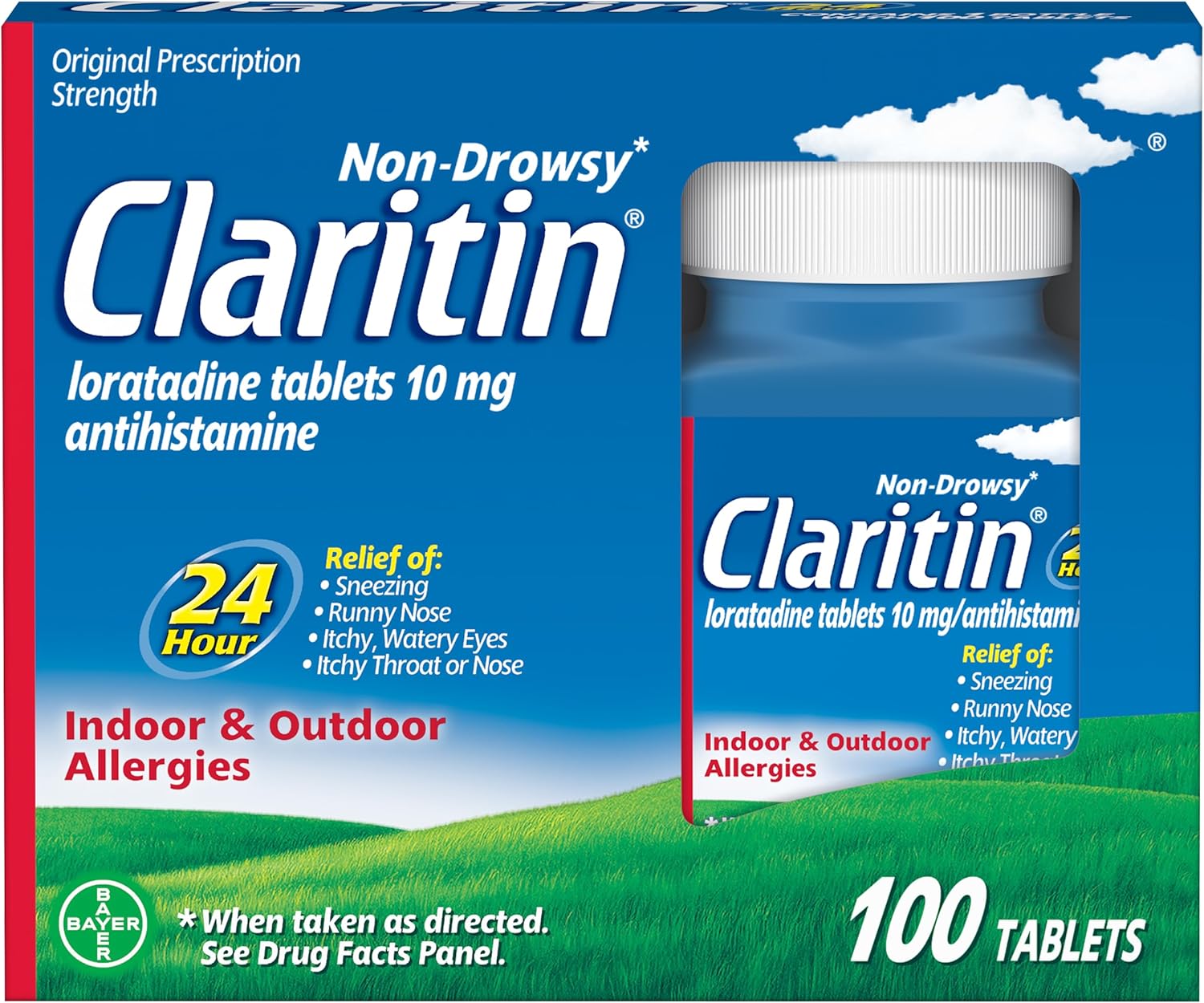
- Over-the-counter Allergy Medicine treatments can help. ✅ 🚀Go to Amazon’s Official Website:
- -You will find POWERFUL, 24-HOUR INDOOR AND OUTDOOR ALLERGY PILLS: Relief of your worst allergy symptoms, including sneezing, runny nose, itchy watery eyes, and itchy throat or nose. Always look for the good-rated product.
- ✅ HEPA Air Purifier with True Filter Technology
- ✅ Hypoallergenic Mattress Encasement Set
- ✅ Quercetin + Bromelain Anti-Histamine Support
- ✅ Allergy-Friendly Cleaning Kit
- ✅ Gut-Probiotic Immunity Booster
- Quercetin: A natural compound found in apples and onions. It stabilizes mast cells and reduces histamine release. Try this quercetin supplement.
- Stinging Nettle Leaf: A powerful herbal antihistamine. Works fast and has zero drowsy side effects. Here’s our top pick.
- Local Raw Honey: Contains small amounts of local pollen that may help build tolerance. One spoon a day could help during allergy season.
- Vitamin D & Omega-3s: Essential for calming inflammation and regulating immunity. Check this immune support combo.
When to See a Specialist
If your symptoms are severe, unpredictable, or life-threatening (think: anaphylaxis), you need to consult an allergist. Skin prick tests or IgE blood panels can pinpoint your exact allergens.
And if you’ve never considered allergy immunotherapy, now’s the time. Many people report dramatic, long-term improvement after completing a round of allergy shots or sublingual tablets.
Final Thoughts: You Don’t Have to Live with Allergies Forever
Millions of people are told to “just manage” their allergies. But you deserve real answers—and real relief.
By addressing the hidden triggers, making smart product swaps, and supporting your immune system holistically, you can finally feel better—and maybe even say goodbye to your allergies for good.
Picks for Allergy Relief:
- Over-the-counter Allergy Medicine treatments can help. ✅ 🚀Go to Amazon’s Official Website:
- -You will find POWERFUL, 24-HOUR INDOOR AND OUTDOOR ALLERGY PILLS: Relief of your worst allergy symptoms, including sneezing, runny nose, itchy watery eyes, and itchy throat or nose. Always look for the good-rated product.
- ✅ HEPA Air Purifier with True Filter Technology
- ✅ Hypoallergenic Mattress Encasement Set
- ✅ Quercetin + Bromelain Anti-Histamine Support
- ✅ Allergy-Friendly Cleaning Kit
- ✅ Gut-Probiotic Immunity Booster
P.S. If this helped you, share it with a friend who’s always sneezing—and don’t forget to subscribe for more wellness deep-dives.

Discover what causes acne, learn how to identify different symptoms, and explore proven treatment options. Find out what really works — including dermatologist-recommended products.

Proactiv+ 3 Step Advanced Skincare Acne Treatment – Salicylic Acid Face Wash, Benzoyl Peroxide Pore Minimizing Treatment, and Salicylic Acid Hydrating…
Size:90-Day
Struggling with acne? You’re not alone. Acne affects over 50 million Americans every year, making it the most common skin condition in the United States. From teenagers to adults, breakouts can be painful, frustrating, and even impact self-esteem. In this guide, we’ll explore the real causes, common symptoms, and the most effective acne treatments available today — both over-the-counter and prescription. Whether you’re looking for the best acne cream or thinking about seeing a dermatologist, we’ve got you covered.

What Is Acne?
Acne, also known as acne vulgaris, is a chronic skin condition that occurs when hair follicles become clogged with oil and dead skin cells. The result? Whiteheads, blackheads, pimples, and in severe cases — painful cysts or nodules.
Acne most often appears on the face, but it can also affect the back, chest, shoulders, and upper arms.
Main Causes of Acne
Understanding the root cause is the first step toward clearer skin.
- Excess Oil Production – Overactive sebaceous glands create more sebum than needed.
- Clogged Pores – Dead skin cells mix with oil and block hair follicles.
- Bacterial Growth – Cutibacterium acnes bacteria trigger inflammation and pus formation.
- Hormonal Fluctuations – Puberty, menstrual cycles, pregnancy, and birth control changes can trigger breakouts.
- Genetics – If your parents had acne, you’re more likely to develop it too.

Common Symptoms of Acne
- Whiteheads (closed comedones)
- Blackheads (open comedones)
- Papules (small red bumps)
- Pustules (pus-filled pimples)
- Nodules (large, painful lumps beneath the skin)
- Cysts (deep, pus-filled infections that may scar)
- Skin redness and irritation
- Scarring (from deep or untreated lesions)
Over-the-counter treatments can help. ✅ 🚀Go to Amazon’s Official Website:
Acne Treatment Options
Self-Care and Lifestyle Changes
Gentle skincare routines make a huge difference:
- Use a mild, non-comedogenic cleanser like CeraVe Foaming Cleanser
- Avoid scrubbing or over-washing
- Keep hair clean and away from the face
- Don’t pick or pop pimples — it leads to scarring
- Switch to water-based or oil-free makeup
Best Over-the-Counter Acne Products
These active ingredients can help reduce breakouts:
- Benzoyl Peroxide – Kills bacteria and reduces inflammation
- Salicylic Acid – Unclogs pores and exfoliates dead skin
- Retinoids – Promote cell turnover and prevent clogging
- Sulfur or Azelaic Acid – Help with inflammation and redness
Our top picks:
- Differin Adapalene Gel 0.1% Acne Treatment
- Paula’s Choice 2% BHA Liquid Exfoliant
- PanOxyl 10% Acne Foaming Wash
Affiliate Disclosure: These are affiliate links. We may earn a commission if you purchase through them — at no extra cost to you.
Over-the-counter treatments can help. ✅ 🚀Go to Amazon’s Official Website:
Prescription Treatments
If OTC products don’t help after a few months, consider professional options:
- Topical Antibiotics – Like clindamycin or erythromycin
- Oral Antibiotics – Such as doxycycline or minocycline
- Hormonal Therapy – Birth control pills or spironolactone for women
- Isotretinoin (Accutane) – For severe, cystic acne. Highly effective but must be used with caution.
When to See a Dermatologist
You should contact a dermatologist if:
- Acne becomes painful, cystic, or widespread
- Scars begin forming
- Over-the-counter products aren’t working
- You experience emotional distress related to your skin condition
Final Thoughts
Acne isn’t just a cosmetic issue—it’s a medical condition that deserves the right attention. With a combination of science-backed treatments, consistent skincare, and professional support, you can gain control over your acne and restore confidence.
Over-the-counter treatments can help. ✅ 🚀Go to Amazon’s Official Website:
Looking for clear skin solutions that actually work?
Check out our curated list of top-rated acne products:
Shop Our Best Acne Treatments Here
Tags: acne treatment, acne symptoms, how to treat acne, best acne products, adult acne, hormonal acne, skincare tips, dermatologist recommended.

Updated – What You Really Need to Know About Alcohol’s Hidden Impact
Ever wake up after a night out with blurry memories or none at all? You’re not alone—and it’s not just about being “too drunk.” Let’s dive into what alcohol really does to your brain and body, and why even casual drinking might be causing more harm than you think.
The Blackout Breakdown
Back in 1969, psychiatrist Dr. Donald Goodwin made a disturbing discovery. When drunk participants were shown a toy and asked to draw it minutes later, most succeeded. But 30 minutes later? Half couldn’t recall a thing. The memory was gone.
Why?
Alcohol’s active chemical—ethanol—acts like a chemical saboteur. It smothers communication between brain cells, slowing down decision-making, impulse control, and coordination. But memory takes the biggest hit.
Normally, memories form when neurons strengthen connections through a process called Long-Term Potentiation (LTP). Alcohol blocks LTP, meaning your brain is experiencing the moment, but not saving it.
Blackouts aren’t passing out—they’re your brain hitting ‘delete’.

Alcohol Free Forever™ ✅ 🚀Official Website: 🌐 https://tinysurl.com/short/yfD7z
“Alcohol Free Forever™” program. This system is designed to help individuals quit drinking and maintain sobriety without attending meetings or expensive counseling. It offers a step-by-step guide, motivational emails, and additional resources, such as hypnosis tracks and meditation guides, to support recovery. The program emphasizes privacy and self-empowerment, aiming to help people regain control over their lives.
The Silent Damage You Don’t Feel (Yet)
Even moderate drinking can cause long-term damage. A 2022 UK Biobank study with over 36,000 participants revealed that drinking just 1–2 alcoholic beverages per day was associated with brain shrinkage, particularly thinning of the cerebral cortex—the region involved in thought, awareness, and language.
And it’s not just your brain. Alcohol:
– Destroys gut health by killing good bacteria
– Inflames your liver, leading to fatty liver disease
– Increases cortisol, the stress hormone—fueling post-drink anxiety
One of the most alarming findings?
Alcohol metabolizes into acetaldehyde, a known carcinogen. Just one drink (about 10g of alcohol) increases the risk of breast cancer by 4–13%. That’s equivalent to smoking up to 10 cigarettes a day.

Hangovers & Harm Reduction: What Can You Do?
Hangovers are more than a headache. They’re a toxic storm of:
– Dehydration
– Inflammation
– Hormonal imbalance
– Poor sleep and fatigue

Hacks that help?
– Electrolytes (before bed and in the morning)
– Fermented foods like kimchi or sauerkraut to replenish gut health
– Cold showers to boost adrenaline and speed detox
– Stick to clear spirits like vodka (fewer congeners = lighter hangover)
And no—“hair of the dog” isn’t a cure. It just delays the crash.
So, Should You Quit?
You don’t need alcohol to feel joy, connect with others, or relax. Whether you sip occasionally or are rethinking your habits, awareness is the first step.
Your brain is your superpower. Protect it.
If this opened your eyes, share it with someone who needs to see it.
Stay curious. Stay informed.

When you hear the word “cholesterol,” you might instantly think of heart attacks, blocked arteries, and foods you’re told to avoid. But cholesterol isn’t the villain it’s made out to be. In fact, it’s an essential substance your body needs. So what actually causes high cholesterol—and how much of it is really under your control?
Let’s break it down.
What Is Cholesterol, Really?
Cholesterol is a waxy, fat-like substance found in every cell of your body. It plays a vital role in producing hormones, vitamin D, and bile acids that help you digest food. Your liver makes most of the cholesterol your body needs, but you also get some from food—especially animal products like meat, cheese, and eggs.

Nature Made CholestOff Complete is a dietary supplement designed to support heart health and help lower dietary cholesterol. Each bottle contains 120 softgels, providing a 20-day supply. The supplement includes plant sterols and stanols, which are known to reduce the absorption of dietary cholesterol into the bloodstream. It also contains Pantesin, which helps reduce the production of LDL cholesterol in the live.
Good vs. Bad Cholesterol: Understanding Lipoproteins
Cholesterol doesn’t just float freely in your blood. It travels in packages called lipoproteins. There are two major types:
LDL (Low-Density Lipoprotein) – Often called “bad cholesterol,” LDL carries cholesterol to tissues. When there’s too much LDL, it can stick to artery walls, creating plaque that narrows the arteries—a condition known as atherosclerosis.
HDL (High-Density Lipoprotein) – Known as “good cholesterol,” HDL acts as a cleanup crew. It collects excess cholesterol from the blood and returns it to the liver for disposal.
When your LDL levels are too high and HDL is too low, that imbalance increases your risk of heart disease, stroke, and other cardiovascular issues.
The Real Dietary Culprit: It’s Not Just Cholesterol
Back in the late 1960s, the American Heart Association advised people to limit egg consumption due to concerns about dietary cholesterol. But new research has shown that dietary cholesterol—like the kind found in eggs—isn’t the main driver of blood cholesterol levels.
The bigger culprit? Fat, especially:
- Saturated fats, found in red meat, full-fat dairy, coconut oil, and palm oil, can raise LDL levels.
- Trans fats, commonly found in fried foods and processed snacks, are even worse—they not only raise LDL but also lower HDL.
On the flip side, unsaturated fats, such as those in nuts, seeds, olive oil, and fish, help improve cholesterol balance by raising HDL and lowering LDL. Fiber-rich foods like fruits, vegetables, and whole grains also support healthy cholesterol levels by reducing fat absorption during digestion.

Benecol® Soft Chews are a convenient and tasty way to help manage cholesterol levels. Each chew contains plant stanols, which are clinically proven to lower cholesterol by reducing its absorption in the digestive system. Four chews a day provide the recommended 2 grams of plant stanols, which can start showing results in as little as two weeks when combined with a heart-healthy diet and exercise.
Lifestyle Matters—A Lot
Your daily habits are key to managing cholesterol:
- Physical activity: Regular aerobic or resistance exercise can lower LDL and raise HDL.
- Weight management: Excess weight, especially around the belly, can increase LDL and triglycerides while reducing HDL.
- Smoking: Damages blood vessels, lowers HDL, and makes LDL more likely to stick to artery walls.
- Alcohol: In moderation, some alcohol (like red wine) may raise HDL, but too much can raise triglycerides and cause other health problems.
Even small lifestyle changes can make a noticeable impact on cholesterol levels.
When Genetics Take the Wheel
Sometimes, high cholesterol is inherited. A condition called familial hypercholesterolemia (FH) causes very high LDL levels from birth. If left untreated, it significantly increases the risk of early heart disease. In such cases, medications like statins—which reduce LDL production in the liver—are often necessary.

Garlique Garlic Extract Supplement is designed to support cardiovascular health and help maintain cholesterol levels within a healthy range. Each caplet contains 5000 mcg of allicin, the active component in garlic known for its heart health benefits. The supplement is odor-free, tasteless, and easy to swallow, making it a convenient option for daily use.
It is vegan-friendly, gluten-free, and contains no sugar, starch, yeast, caffeine, dairy, or preservatives. Manufactured in the USA, Garlique is processed with care to ensure high potency and quality. The recommended dosage is one caplet per day, preferably taken with a meal.
Certain medical conditions can also raise cholesterol. People with diabetes, kidney disease, or hypothyroidism often struggle with abnormal lipid levels due to how these conditions affect fat metabolism.
Know Your Numbers
A cholesterol blood test (lipid panel) gives a clear picture of your risk. Here are the general guidelines:
| Cholesterol Type | Optimal Level (mg/dL) |
|---|---|
| Total Cholesterol | Less than 200 |
| LDL (Bad) | Less than 100 |
| HDL (Good – Men) | 40 or higher |
| HDL (Good – Women) | 50 or higher |
| Triglycerides | Less than 150 |
You might not feel any symptoms from high cholesterol, which is why regular checkups are essential—especially if you have a family history of heart disease.
Final Thoughts: Balance Over Fear
Cholesterol is more than a number—it’s a complex part of how your body functions. While diet plays a role, it’s not about cutting out eggs or obsessing over every bite. What truly matters is your overall pattern: eating more whole, unprocessed foods, staying active, avoiding smoking, and getting regular medical checkups.
Because when it comes to heart health, it’s not about fear—it’s about informed action.
Want to stay heart-healthy?
Talk to your doctor, stay active, eat smart, and keep learning. Knowledge is your best tool for lasting wellness.
#HeartHealth #CholesterolFacts #LowerCholesterolNaturally #HealthyHeartTips
#GoodVsBadCholesterol #EatForYourHeart #CholesterolAwareness #FitnessAndWellness
#SmartHealthChoices #LiveHeartSmart

Did you know your blood vessels could circle the Earth twice if stretched end to end? Every day, this vast network transports over 7,500 liters of blood—delivering life-giving oxygen and nutrients to every corner of your body. But this remarkable system relies on one crucial factor: blood pressure.
Let’s delve into the world of blood pressure, its significance, and how you can maintain it within a healthy range to safeguard your heart for the long haul. Understanding this vital aspect of your health puts you in control and empowers you to make informed decisions.
- What Is Blood Pressure?
Blood pressure is the force of blood pushing against the walls of your arteries as your heart pumps. It’s recorded using two numbers:

Systolic (top number): The pressure when your heart beats
Diastolic (bottom number): The pressure when your heart rests between beats
A healthy reading is below 120/80 mmHg, a unit of measurement for blood pressure. Think of it like a garden hose: if the pressure is too high, it strains the hose and can cause leaks. If it is too low, water won’t reach the plants effectively. Balance is key.

Blood Sugar Blaster – ✅ 🚀Official Website: https://tinysurl.com/short/3qHev
Blood Sugar Blaster supports healthy blood sugar levels by providing 20 vital bioavailable extracts from fruits, flowers, bark, and essential vitamins and minerals.
- How Blood Pressure Works
Your heart pumps blood through approximately 95,000 kilometers of blood vessels. With each heartbeat (systole), pressure rises. It drops slightly between beats (diastole) to allow blood to refill.
Blood pressure is influenced by:
The volume of blood in your system
The resistance in your arteries (stiff or flexible?)
The viscosity (thickness) of your blood
For example, a high-salt diet causes your body to retain more water, increasing the pressure—like overfilling that garden hose.

- The Risks: When Pressure Runs High
High blood pressure, or hypertension, is typically defined as 140/90 mmHg or higher. Left unchecked, it silently damages your blood vessels, creating tiny tears that attract cholesterol and form arterial plaques—a process called atherosclerosis.
#bloodpressuretips #hearthealth #hypertension #HealthTips #HealthyLiving #LowerBloodPressure #MedicalExplained #Wellness #PreventHeartDisease #DoctorTips #KnowYourNumbers #HeartCare
This increases the risk of:
Heart attacks
Strokes
Kidney damage
Vision loss
Fortunately, treatments like angioplasty (opening narrowed arteries) or stents (keeping them open) can manage severe cases. But prevention is always better than cure.
- How to Measure Your Blood Pressure Correctly
Monitoring your BP at home is innovative and empowering. Follow these steps:
Sit calmly for 5 minutes beforehand.
Place the cuff at heart level, not above or below.
Avoid caffeine, smoking, or exercising 30 minutes before
Take multiple readings at different times of the day.
Tip: Keep a log and share it with your doctor to track trends over time.
- Understanding Blood Pressure Numbers
Let’s decode the numbers:
Normal: Below 120/80
Elevated: 120–129 / below 80
Stage 1 Hypertension: 130–139 / 80–89
Stage 2 Hypertension: 140+/90+
Hypertensive Crisis: 180+/120+ (Seek immediate help)
Example: A reading of 140/70 indicates isolated systolic hypertension—your systolic is too high, even if the diastolic is normal. This still poses serious risks and requires action.
- 4 Key Factors Affecting Blood Pressure
Blood pressure is affected by several key forces in your body:
Heart Rate: Faster beats = more pressure
Blood Volume: More fluid = higher pressure
Arterial Stiffness: Age, plaque, or diabetes can reduce flexibility
Stress, a common factor in our fast-paced lives, triggers the release of adrenaline, which in turn tightens our arteries, increasing blood pressure. Understanding and managing these factors puts you in control and helps you target the cause, not just the symptom.
Understanding these factors helps you target the cause, not just the symptom.
- Quick Fixes vs. Long-Term Control
Do you need to lower your pressure quickly? Try deep breathing, meditation, or lying down with your legs elevated.
But for lasting results, focus on:
Diet: Eat more potassium-rich foods such as bananas, spinach, and sweet potatoes, and reduce sodium.
Exercise: Aim for 30 minutes a day of walking or light cardio
Hydration: Drink enough water to keep your blood flowing easily
Lifestyle: Quit smoking, limit alcohol, and manage stress
It’s not about perfection—it’s about small, consistent improvements.

- When to Seek Help
Hypertension is called the “silent killer” because it often has no symptoms—until a major health crisis occurs. You may feel fine while your arteries are under immense strain.
Talk to your doctor if you:
Are over 40
Have a family history of heart disease.
Are you overweight or inactive?
Experience frequent headaches or dizziness.
Regular checkups can catch problems early and prevent serious consequences.
- Final Thoughts: Empower Your Heart
Your arteries are built to last a lifetime—but only if you care for them. Keep your heart strong by staying active, eating well, and knowing your numbers.
Blood pressure isn’t just a number—it’s a window into your heart’s future.
Take Action Today:
Subscribe to Health 101 Hub for more easy-to-understand wellness tips and problem-solving products to support your heart health journey.
Stay informed. Stay motivated. Stay heart-strong.

Back pain is a universal experience, a shared human burden that affects millions. You are not alone in this. But beyond the physical discomfort, back pain prompts deeper questions about our bodies, health, and the very nature of being. This article explores the multifaceted dimensions of back pain, blending philosophical reflection with practical information on common causes, types, and treatments.
The Body as a Narrative: A Philosophical Look at Back Pain
Our bodies are not simply vessels; they are narratives, stories written in flesh and bone. Back pain interrupts these narratives, forcing us to confront our physical limitations and the fragility of our well-being. From a philosophical perspective, pain is not merely a sensation; it’s an experience that shapes our perception of reality.

CoolEase :- ✅ 🚀Official Website: 🌐 https://tinysurl.com/short/UjxrC
CoolEase is an all-natural pain relief solution designed to alleviate aches and discomfort. It combines ingredients like Arnica Montana Flower Extract, Vitamin E, Sunflower Oil, Mint, and aloe vera, which are known for their anti-inflammatory and soothing properties. The formula is non-sticky and odor-free and absorbs quickly into the skin to provide targeted relief.
CoolEase is manufactured in the USA in an FDA-approved facility and adheres to GMP standards.
Embodiment and Lived Experience: Back pain highlights the importance of embodiment, the understanding that our minds and bodies are inextricably linked. The lived experience of pain is subjective and varies from person to person. It’s a reminder that our bodies are not machines to be fixed but integral parts of our identity.
The Meaning of Pain: What does back pain mean in our lives? Is it a signal of physical dysfunction or a more profound call for attention to our overall well-being? Philosophers have long grappled with the meaning of suffering, recognizing its potential to foster self-reflection and personal growth. Your experience with back pain can be a catalyst for positive change.
Health as a Holistic Concept: Back pain often forces us to reconsider our definition of health. Is it simply the absence of disease or physical, mental, and social well-being? A holistic approach recognizes the interconnectedness of these aspects and empowers us to address the root causes of pain, not just the symptoms. You have the power to manage your back pain in a comprehensive way.
Mind-Body Connection: The mind-body connection is central to understanding back pain. Stress, anxiety, and depression can exacerbate pain, while mindfulness and relaxation techniques can provide relief. Recognizing this connection is crucial for effective pain management.
Common Causes of Back Pain: Unraveling the Physical Roots
While the philosophical dimensions of back pain offer valuable insights, understanding the physical causes is essential for effective treatment. Here are some of the most common culprits:
Muscle Strains and Ligament Sprains: These are frequent causes of acute back pain, often resulting from heavy lifting, sudden movements, or poor posture. Symptoms include muscle spasms, localized pain, and limited mobility.
Herniated Discs: The discs between our vertebrae act as shock absorbers. When a disc herniates, the soft inner core can bulge or rupture, pressing on nerves and causing pain that may radiate down the leg (sciatica).
Spinal Stenosis: This condition involves the narrowing of the spinal canal, which can compress nerves and lead to back pain, leg pain, and numbness. It’s more common in older adults.
Arthritis: Osteoarthritis, a degenerative joint disease, can affect the spine, causing pain, stiffness, and inflammation. Rheumatoid arthritis, an autoimmune disease, can also affect the spine.
Scoliosis is a curvature of the spine that can cause back pain, particularly in severe cases in adolescents and adults.
Osteoporosis: This condition weakens bones, making them more susceptible to fractures, including vertebral compression fractures, which can cause back pain.
Other Causes: Less common causes of back pain include infections, tumors, and kidney problems.
Types of Back Pain: Acute vs. Chronic

Back pain can be broadly categorized into two main types:
Acute Back Pain typically lasts a few days to a few weeks. It is often caused by muscle strains or ligament sprains and usually resolves independently with rest and conservative treatment.
Chronic Back Pain: This type of pain lasts for more than three months and can be caused by various conditions, including herniated discs, spinal stenosis, and arthritis. Chronic pain can significantly impact the quality of life and may require long-term management.
Treatment Options for Back Pain: Finding Relief
The treatment approach for back pain depends on the underlying cause, severity, and duration of pain. Here are some standard options:
Conservative Treatments:
Rest: Short periods of rest can help alleviate acute pain.
Over-the-Counter Pain Relievers: Nonsteroidal anti-inflammatory drugs (NSAIDs) like ibuprofen or naproxen can reduce pain and inflammation.
Heat and Cold Therapy: Heat or cold packs can temporarily relieve stress.
Physical Therapy: A physical therapist can teach exercises and stretches to strengthen back muscles, improve flexibility, and reduce pain.
Stretches and Exercises: Targeted movements can help alleviate pain and improve overall back health.
Medical Treatments:
Prescription Medications: In some cases, more potent pain relievers, muscle relaxants, or antidepressants may be prescribed.
Injections: Corticosteroid injections can reduce inflammation and provide temporary pain relief.
Surgery: Surgery is typically reserved for severe cases of back pain that don’t respond to other treatments, such as herniated discs or spinal stenosis.
Alternative Therapies:
Acupuncture: This traditional Chinese medicine technique involves inserting thin needles into specific points on the body to relieve pain.
Chiropractic Care: Chiropractors use manual adjustments to align the spine and improve joint function.
Massage Therapy: Massage can help relax muscles, reduce pain, and improve circulation.
Mindfulness and Meditation: These practices can help manage chronic pain by reducing stress and improving coping skills.
Potential Side Effects and Considerations
It’s essential to be aware of the potential side effects associated with back pain treatments:
Medications: NSAIDs can cause stomach upset, and long-term use can increase the risk of kidney problems. Prescription pain medications can be addictive.
Injections: Corticosteroid injections can cause temporary pain and swelling at the injection site.
Surgery: Back surgery carries risks, including infection, bleeding, and nerve damage.
Alternative Therapies: While generally safe, some therapies may not suit everyone. It’s essential to consult with a healthcare professional before trying any new treatment.
Living with Back Pain: A Holistic Approach
Managing back pain requires a holistic approach that addresses the condition’s physical and emotional aspects. This includes:
Maintaining a Healthy Lifestyle: Regular exercise, a balanced diet, and adequate sleep can help prevent and manage back pain.
Practicing Good Posture: Proper posture can reduce strain on the back.
Managing Stress: Stress can exacerbate pain, so it’s essential to find healthy ways to manage stress, such as yoga, meditation, or spending time in nature.
Seeking Support: Talking to a therapist or joining a support group can help you cope with the emotional challenges of chronic pain.
Conclusion: Embracing the Narrative of Our Bodies
Back pain is a common and often debilitating condition, but it also presents an opportunity for self-reflection and personal growth. By understanding the physical causes of back pain and adopting a holistic approach to treatment, we can find relief and reclaim the narrative of our bodies. Remember to always consult with a doctor before beginning any treatment plan.
BackPain, #Health, #Wellness, #BodyAwareness, #PhysicalHealth, #Mindfulness, #PostureCorrection, #BackPainRelief, #SpineHealth, #SelfCare, #LifestyleChanges, #HolisticHealth, #PainPrevention, #PhysicalTherapy, #ChiropracticCare, #EmotionalHealth.

Depression is a widespread and serious mental health condition that affects millions of people around the globe. It is not just a temporary feeling of sadness—it’s a persistent and debilitating disorder that can significantly affect a person’s thoughts, emotions, and daily activities. In fact, depression is the leading cause of disability worldwide, and nearly 10% of adults in the U.S. suffer from it. This blog post will help you understand what depression is, its causes, common symptoms, and the most effective treatment options available.
What is Depression?
Depression, also known as major depressive disorder, is a condition that deeply impacts how you feel, think, and act. Unlike temporary sadness, depression lingers for weeks or even months, often interfering with one’s ability to work, socialize, or enjoy life. It’s important to recognize that depression doesn’t go away on its own and requires proper treatment.

Anxiovita :- ✅ 🚀Official Website: https://tinysurl.com/short/7BLCo
Anxiovita is a homeopathic remedy designed to alleviate anxiety, stress, and panic attacks. It addresses the root causes of emotional imbalance, such as subconscious stress, and promotes brain health. The product claims to reduce cortisol levels, enhance serotonin production, and support the nervous system. Made with natural, non-GMO ingredients, it is manufactured in FDA-approved facilities. Anxiovita also emphasizes its ability to support emotional well-being during REM sleep, aiding in subconscious healing and mental calmness.
Causes of Depression
Depression doesn’t have one single cause—it results from a combination of factors that can vary from person to person. Here are some key contributors:
- Biological Factors: Genetics play a role, and imbalances in neurotransmitters (brain chemicals like serotonin and dopamine) can trigger depression.
- Psychological Factors: Stressful life events, trauma, and persistent negative thinking patterns can increase the likelihood of depression.
- Environmental Factors: Factors like social isolation, financial stress, and chronic health issues can also contribute to depression.
Common Symptoms of Depression
Depression manifests in various ways, and symptoms can differ in intensity and duration. Some common signs include:
- Persistent sadness or hopelessness
- Loss of interest in activities once enjoyed
- Fatigue or low energy levels
- Difficulty concentrating or making decisions
- Sleep disturbances (insomnia or oversleeping) and changes in appetite
- Physical symptoms like headaches or stomachaches
- Thoughts of death or suicide (immediate help is crucial in this case)

Destroy Depression™ :- ✅ 🚀Official Website: https://tinysurl.com/short/ApqpD
This ⚠️e-book introduces the “Destroy Depression™ System,” a 7-step self-help program aimed at overcoming depression naturally without medication or costly therapy. It addresses the root causes of depression using methods like Cognitive Behavioral Therapy (CBT), exercise, nutrition, and goal-setting. The program helps regain control over thoughts and emotions for long-term relief and includes resources such as a CBT workbook and a Mediterranean diet guide.
Treatment Options for Depression
The good news is that depression is highly treatable, and several effective approaches are available:
- Psychotherapy: Cognitive Behavioral Therapy (CBT) and Interpersonal Therapy (IPT) are commonly used to address negative thought patterns and improve relationships.
- Medications: Antidepressants help balance brain chemicals and alleviate symptoms. It’s essential to work closely with a doctor to find the right medication.
- Lifestyle Changes: Regular exercise, a nutritious diet, quality sleep, and stress management techniques (like yoga or meditation) can complement other treatments.
- Severe Cases: In extreme cases, when other treatments fail, procedures like Electroconvulsive Therapy (ECT) or Transcranial Magnetic Stimulation (TMS) may be recommended.
How You Can Help
If you or someone you know is struggling with depression, it’s essential to seek professional help. Offer your support by helping them find a therapist or accompanying them to their first appointment. Remember, depression is a medical condition, not a sign of weakness, and recovery is absolutely possible with the right help.

LifeSeasons Anxie-T – Stress Relief Supplement – Supports Mood & Mental Focus – Feel Calm and Relaxed – Eases Tension & Nervousness – Ashwagandha, Kava Kava, GABA & L-Theanine – 60 Capsules – On Amazon
Conclusion
Depression is not something that can be conquered by willpower alone, but it is manageable with proper treatment and support. If you’re feeling overwhelmed by depression or know someone who is, don’t hesitate to seek help. Early intervention is key to managing the condition effectively.
Take the first step toward recovery today and reach out to a healthcare provider. Depression is treatable, and with the right support, individuals can regain control over their lives.
Note ⚠️: “Hey guys, just a quick note: some of the links mentioned problem-solving products related to these issues in this video are affiliate links, which means I may earn a small commission if you purchase through them. It’s a great way to support the channel if you plan to buy something!”
Tags: #Depression #MentalHealth #MentalIllness #DepressionTreatment #CognitiveBehavioralTherapy #Antidepressants #Psychotherapy #MentalHealthAwareness #SeekingHelp #LifestyleChanges #DepressionSymptoms #BrainStimulationTherapy #MajorDepressiveDisorder #Wellness

Sleep is often considered one of the most critical factors in maintaining overall health, yet it is frequently overlooked in our busy lives. We often hear about the importance of diet and exercise, but quality sleep should also be at the top of the list for anyone looking to improve their physical and mental well-being. In this blog, we’ll explore the features, benefits, and potential side effects of good sleep and provide an honest assessment of how sleep truly influences our health and lives.

Slumber Slim – ✅ 🚀Official Website: https://tinysurl.com/short/7kETm
Slumber Slim is a dietary supplement that supports weight management and improves sleep quality. It combines natural ingredients like Passion Flower, Lavender, and Fucoxanthin to enhance metabolism, promote restful sleep, and aid fat-burning processes during the night2.
It targets key factors such as blood sugar regulation, stress reduction, and metabolic enhancement, making it a holistic approach to weight management2. You can explore it more on its official website if you’re interested.
The Importance of Sleep: Understanding the Foundation of a Healthy Life
Sleep is not just a time for rest; it’s a vital process that supports brain function. The body performs numerous restorative processes: repairing tissues, building muscle, consolidating memories, and regulating hormones. Poor or insufficient sleep can lead to a variety of health issues, from weakened immunity to cognitive impairment and even chronic diseases.
Often, the simplest moments carry profound wisdom. Allow your thoughts to settle, and you will discover clarity.
However, many people don’t realize that sleep is not simply about the quantity of hours you spend in bed but the quality of that sleep. Both the quantity and quality of your sleep are integral to your well-being, and even minor disruptions can significantly impact your health. To improve the quality of your sleep, consider factors such as your sleep environment, bedtime routine, and managing stress levels.


Features of Quality Sleep
When we talk about sleep, it’s essential to understand the characteristics of quality sleep that make it restorative and beneficial. Here are the primary features of good sleep:
The Genius Wave – ✅ 🚀Official Website: https://tinysurl.com/short/2jD5m

Rev Up Your Brain Power. The Genius Wave Audio Series program enhances cognitive abilities, creativity, and clarity. It uses advanced soundwave technology, including isochronic tones and binaural beats, to stimulate theta brainwaves (4-8 Hz), which are associated with deep relaxation, heightened creativity, and improved focus. The program aims to help users achieve these benefits. Pineal Guardian is a dietary supplement that supports memory function, brain health, and overall cognitive clarity. It is formulated with natural ingredients, including Pine Bark Extract, ginkgo biloba, Lion’s Mane Mushroom, and bacopa monnier. These ingredients are known for their potential benefits in enhancing memory, focus, and mental sharpness.
Duration: For most adults, 7 to 9 hours of sleep is optimal, though some individuals may require more or slightly less. The key is consistency—ensuring you sleep enough every night to feel rested and restored.
Sleep Cycles: Sleep is not a continuous, uninterrupted state. Instead, it occurs in cycles, each lasting about 90 minutes. These cycles have multiple stages, including light sleep, deep sleep, and REM (Rapid Eye Movement) sleep. Each stage is vital in healing, memory consolidation, and emotional regulation.
Deep Sleep is the most restorative phase of sleep. It (also known as slow-wave sleep) is when the body repairs muscles and tissues and strengthens the immune system. It’s also linked to feeling refreshed and rejuvenated.
REM Sleep: During REM sleep, the brain processes emotions and consolidates memories. This stage is also essential for mental health, creativity, and problem-solving.
Sleep Consistency: Going to bed and waking up simultaneously daily helps regulate your internal body clock. Consistent sleep habits help you fall asleep and wake up more efficiently, contributing to better sleep quality.
Relaxation Before Bed: A calm, relaxing pre-sleep routine can help signal your body that it’s time to wind down. Whether you read a book, meditate, practice deep breathing exercises, or take a warm bath, these relaxation techniques can make it easier to drift off into restful sleep.
Benefits of Quality Sleep
Now that we’ve covered the features of quality sleep, let’s dive into its benefits. A good night’s sleep impacts nearly every aspect of your life, from physical health to mental clarity and emotional well-being. Understanding these benefits can inspire you to make quality sleep a priority in your life.
Improved Physical Health: Sleep plays a critical role in repairing and restoring your body. It supports healthy immune function, reduces inflammation, and promotes cellular regeneration. Studies show that people who get enough sleep tend to have a lower risk of developing chronic conditions such as heart disease, diabetes, and high blood pressure. Sleep also improves muscle recovery, making it essential for those engaging in regular physical activity.
Mental Clarity and Cognitive Function: One of the most immediate benefits of good sleep is improved brain function. Sleep helps with memory consolidation, learning, and problem-solving. A well-rested brain processes information more efficiently and can retain new knowledge. Moreover, sleep can boost creativity and improve focus and concentration. Inadequate sleep, on the other hand, can impair your decision-making, reaction times, and cognitive abilities.
Emotional and Mental Health: Sleep and mental health are closely linked. Getting enough sleep can help regulate mood and reduce the risk of developing anxiety, depression, and other mental health issues. Understanding the role of sleep in mental health can help us empathize with those who struggle with poor sleep habits.
Weight Management: Sleep is an icon that controls hormones that regulate hunger and appetite, such as ghrelin and leptin. When sleep-deprived, ghrelin (the hormone that triggers hunger) levels increase, while leptin (the hormone that signals fullness) decreases. This imbalance can lead to overeating and weight gain, making quality sleep a critical factor in maintaining a healthy weight.
Why Taking Care of Your Mind is Just as Important as Taking Care of Your Body.

BioVanish™ – ✅ 🚀Official Website: https://tinysurl.com/short/Eeboa
BioVanish™ mimics the effects of the Keto diet without requiring adherence to the actual diet. Clinical studies show that the ingredients in BioVanish™—when taken once daily—can burn the same amount of fat as running 5 miles. #weightloss #healthyliving #fitnesstips #weightlossforwomen #loseweight #fatloss #healthyeating #workoutmotivation #intermittentfasting #nutritiontips #metabolismboost #fitnessforbeginners
Enhanced Performance and Productivity: Good sleep enhances productivity and performance, whether at work or at home. It improves your ability to focus, solve problems, and stay alert. Sleeping a restful night can lead to better decision-making and increased productivity throughout the day.
Stronger Immune System: Sleep is closely connected to the function of your immune system. During sleep, your body produces cytokines, which are proteins that help fight infection and inflammation. Chronic sleep deprivation can impair your immune response, leaving you more susceptible to illnesses.
Potential Side Effects of Poor Sleep
While sleep has numerous benefits, it’s crucial to be aware that inadequate or poor-quality sleep can have many negative consequences. Here’s a look at some of the potential side effects of sleep deprivation or poor sleep quality. Understanding these risks can help you realize the importance of prioritizing your sleep.
Increased Risk of Chronic Conditions: Chronic sleep deprivation has been linked to an increased risk of developing serious health issues, such as cardiovascular disease, diabetes, stroke, and high blood pressure. Poor sleep can also contribute to metabolic dysfunction, leading to obesity.
Cognitive Impairment: A lack of sleep negatively impacts cognitive function. Sleep-deprived individuals may experience difficulties with concentration, memory, and decision-making. Mental performance can decline after just one night of poor sleep.

Pineal Guardian – ✅ 🚀Official Website: https://tinysurl.com/short/apSXu
Pineal Guardian is a dietary supplement that supports memory function, brain health, and overall cognitive clarity. It is formulated with natural ingredients, including Pine Bark Extract, ginkgo biloba, Lion’s Mane Mushroom, and bacopa monnier. These ingredients are known for their potential benefits in enhancing memory, focus, and mental sharpness.
Mood Disorders: Sleep deprivation can trigger or worsen mental health conditions such as anxiety, depression, and irritability. It disrupts the balance of neurotransmitters in the brain, affecting emotional regulation and overall mood.
Impaired Immune Function: Chronic lack of sleep weakens the immune system, making it harder for the body to fight infections. Those who consistently don’t get enough sleep are more prone to colds, diseases, and other illnesses.
Decreased Libido: Poor sleep can also affect your sexual health. Reduced sleep can lead to lower testosterone levels in men and lowered libido in both men and women.
Increased Stress: Lack of sleep causes an increase in cortisol levels, the body’s primary stress hormone. High cortisol levels can contribute to anxiety, irritability, and poor emotional regulation.
Honest Assessment: Is Sleep the Foundation of a Healthy Life?
Given all the benefits and potential side effects of poor sleep, it’s clear that sleep plays a vital role in overall health. However, while quality sleep is foundational, it is not the sole factor in achieving a healthy life. Diet, physical activity, stress management, and other lifestyle choices are also crucial.
That said, prioritizing sleep can significantly affect every area of your life. If you are experiencing sleep difficulties, it is essential to identify and address potential underlying causes such as stress, anxiety, or medical conditions. In some cases, seeking professional help from a healthcare provider or sleep specialist may be necessary.
For most individuals, improving sleep quality can lead to enhanced mood, better physical health, and a higher quality of life. You can significantly enhance your overall well-being by incorporating healthy sleep habits such as sticking to a sleep schedule, creating a calming bedtime routine, and making your sleep environment conducive to rest.
Conclusion
In conclusion, sleep is indeed the foundation of a healthy life. Not only does it provide essential physical and mental benefits, but it also enhances your quality of life in ways that many people overlook. Sleep is an essential, non-negotiable part of a healthy lifestyle, and its impact extends far beyond simply feeling rested. If you want to live a healthier, more vibrant life, prioritize sleep—it’s a simple yet profound way to boost your health and happiness.
Note ⚠️: “Hey guys, just a quick note: some of the links mentioned problem-solving products related to these issues in this video are affiliate links, which means I may earn a small commission if you purchase through them. It’s a great way to support the channel if you plan to buy something!”